

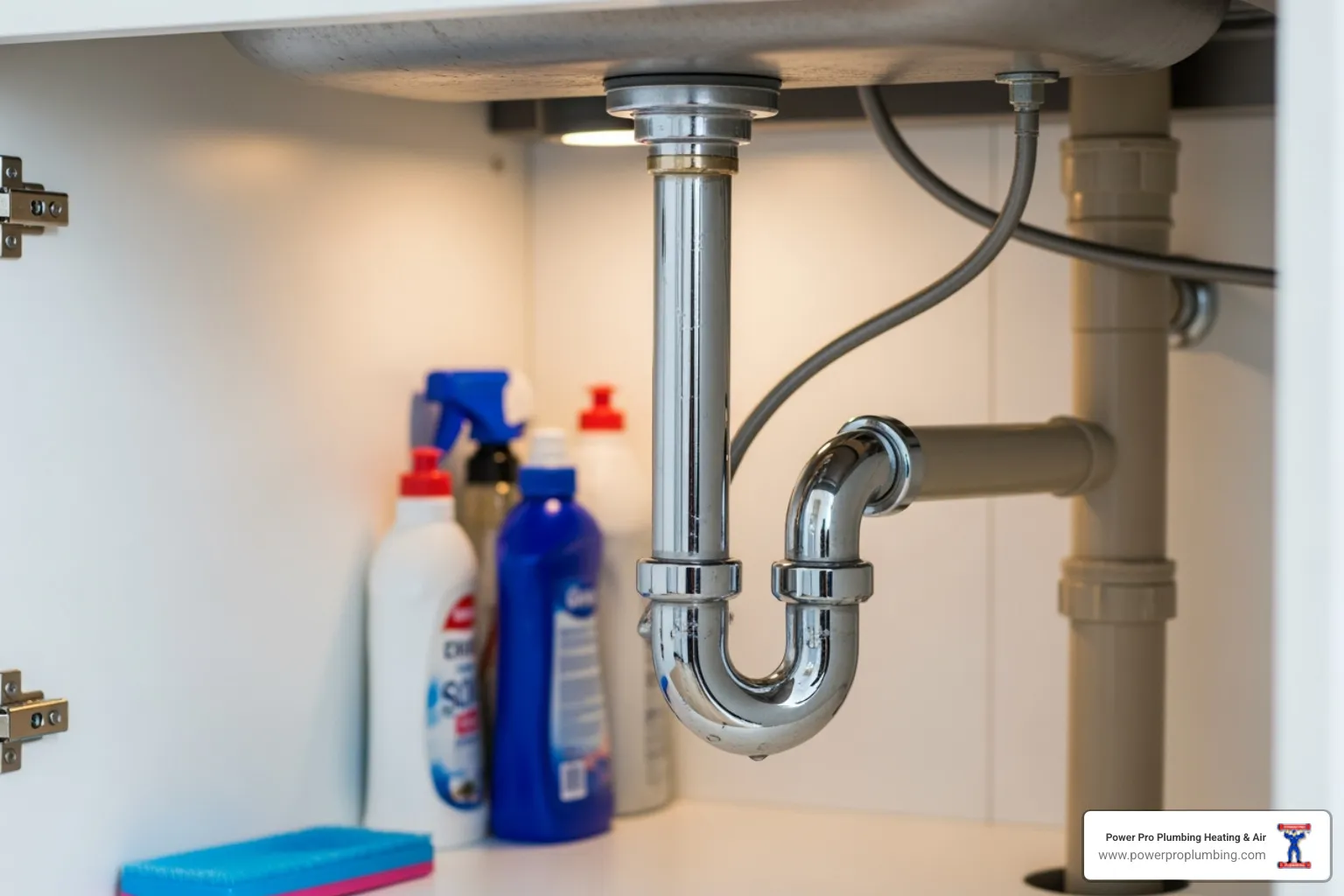
In the modern kitchens of Hoboken, from the sleek high-rises on the North End to the classic renovated brownstones in the 2nd Ward, the under-sink water filter has become a staple appliance. For many residents, it represents a final line of defense a way to ensure that the water used for infant formula, morning coffee, and family dinners is as pure as possible. We often assume that because the water passes through an expensive-looking canister under the cabinet, it is automatically stripped of all harmful substances.
However, as we move through 2026, data from our services is revealing a troubling reality: many of these popular filtration units are providing a false sense of security. Whether due to incorrect certification, local infrastructure changes, or simple physics, under-sink filters don’t always catch what you think. In the “Mile Square City,” where water quality can be impacted by 100-year-old service lines and modern construction alike, understanding the limitations of your filter is essential for true safety.
The Certification Gap: NSF 42 vs. NSF 53
The most significant misconception among Hoboken residents is that all filters are created equal. When you browse the aisles of a local hardware store or shop online, you’ll see impressive claims about “purity.” However, the fine print specifically the NSF (National Sanitation Foundation) certifications tells a different story.
- NSF 42 (Aesthetic Effects): Most entry-level under-sink filters are only certified to improve the taste and smell of water. They are excellent at removing chlorine, which is why your water no longer smells like a swimming pool, but they are not designed to remove health-related contaminants.
- NSF 53 (Health Effects): This is the gold standard for filters intended to remove lead, mercury, and volatile organic compounds (VOCs).
Many residents who believe they are protected against lead in their older locations are actually using a filter that is only rated for taste and odor. Without the specific NSF 53 rating, those heavy metals from Hoboken’s aging service lines are passing straight through the carbon block and into your glass.
The “Last Mile” Lead Particle Problem
Hoboken is currently in the midst of a massive Lead Service Line Replacement Program. While this is a vital step for the city, the process of replacing pipes creates its own set of risks. Construction vibrations can shake loose “particulate lead” tiny, solid flakes of lead and rust from the interior of pipes.
Standard carbon-based under-sink filters are often overwhelmed by particulate lead. While they might catch dissolved lead, the physical flakes can sometimes bypass the filter media or clog it prematurely. If you aren’t using a filter specifically rated for lead reduction that can handle both dissolved and particulate forms, your “filtered” water may still contain dangerous levels of this neurotoxin.
PFAS: The “Forever Chemical” Frontier
As we navigate 2026, the focus on PFAS (per- and polyfluoroalkyl substances) has reached an all-time high in New Jersey. According to the EPA, these “forever chemicals” require specialized filtration, typically high-grade activated carbon or reverse osmosis (RO).
Most standard under-sink units found in local apartments are simply not designed to capture these microscopic compounds. If you are concerned about local-quality issues stemming from groundwater or industrial legacies, a basic charcoal filter is insufficient. Verification through independent testing is the only way to know if your specific filter setup is actually making a dent in these persistent chemicals.
The Biofilm Breeding Ground
One of the most ironic findings on our blog is that a neglected filter can actually make your water worse than it was before filtration.
Most under-sink filters work by removing chlorine. While this makes the water taste better, it also removes the disinfectant that prevents bacteria from growing. Once the chlorine is gone, the dark, damp, and warm environment inside your filter canister becomes a “clubhouse” for bacteria. Over time, a biofilm can grow on the filter media itself. If you haven’t followed a strict maintenance schedule, your “purified” water could be teeming with more bacteria than the unfiltered tap water.
Pressure, Bypass, and the “Hoboken Surge”
Hoboken’s water system is currently seeing a lot of activity due to the Rebuild By Design flood protection project. This often results in fluctuations in water pressure.
Most under-sink filters are designed to operate within a specific pressure range. If there is a sudden “surge” in pressure common during water main work the water may find a path of least resistance and “bypass” the filter media entirely. This means you are drinking unfiltered water without even realizing it. Furthermore, high pressure can cause “channeling,” where the water carves a tiny tunnel through the carbon, meaning it spends almost no time in contact with the material that is supposed to clean it.
Why Physical Testing Trumps Brand Promises
In an urban environment as historic and dense as Hoboken, you cannot rely on a “set it and forget it” approach to water safety. Brand names and shiny packaging are no substitute for chemical data.
Professional laboratory analysis allows you to:
- Verify Performance: Does your filter actually remove what it says it does in the context of Hoboken’s unique mineral and metal profile?
- Identify Saturation: Is your filter already “spent” due to the high sediment levels in our local pipes, even if the indicator light hasn’t turned red yet?
- Monitor Internal Leaching: Is your filter housing or its plastic components adding microplastics or phthalates back into your water?
Conclusion: Don’t Guess, Verify
Under-sink filters are a fantastic tool, but they are not a magic wand. In 2026, being a responsible resident in the Mile Square means looking past the marketing and understanding the science of what is and isn’t happening under your kitchen cabinet.
A filter should be one part of a comprehensive safety strategy that includes awareness of your building’s plumbing history and regular verification. Peace of mind shouldn’t come from a hardware store receipt; it should come from a certified lab report.