

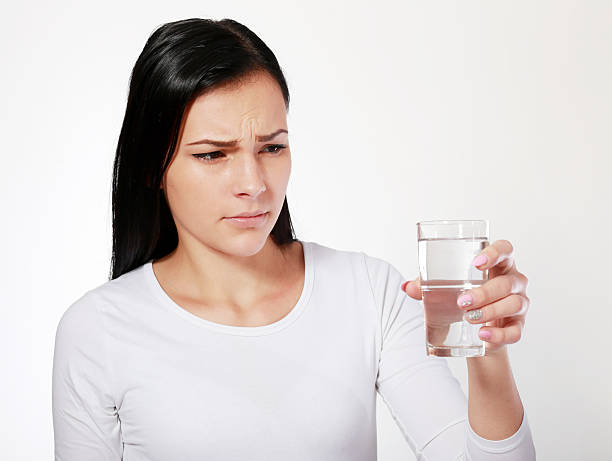
Hoboken is a city that prides itself on its vibrant community, historic charm, and proximity to Manhattan. However, over the past few months, a new topic has been dominating local neighborhood forums and “Mile Square” social media groups: the water. From the luxury high-rises along the waterfront to the classic walk-ups near Washington Street, tenants in Hoboken are reporting strange water tastes ranging from metallic and “earthy” to a sharp, chemical-like chlorine.
When you pay a premium to live in one of New Jersey’s most desirable cities, you expect the basic utilities to be beyond reproach. But for many residents, the morning coffee is starting to taste “off,” and the tap water has an unappealing odor. While these sensory changes don’t always signal a health emergency, they are often the “check engine light” of your building’s plumbing. Understanding why your water tastes strange is the first step in determining if your health is at risk or if you’re simply experiencing the growing pains of a city updating its 100-year-old infrastructure.
The Metallic Tang: A Sign of Aging Pipes
The most common complaint among Hoboken tenants is a persistent metallic or “iron” taste. If your water tastes like a handful of pennies, the culprit is likely the distribution system either the city’s mains or your building’s internal service lines.
Much of Hoboken’s water infrastructure dates back to the early 20th century. As iron and galvanized steel pipes age, they undergo a process called internal corrosion. Over time, flakes of rust and mineral scale can slough off into the water stream. This is particularly common in older apartment buildings where water may sit stagnant in the pipes during the day while tenants are at work. When you turn the tap back on in the evening, that first glass is saturated with dissolved metals.
Beyond the taste, this can be a precursor to a larger issue: lead. While iron gives the water its flavor, lead which is often found in the solder used to join old copper pipes is tasteless. If you are experiencing a metallic flavor, it is a strong indicator that your building’s local-quality might be compromised by its plumbing age.
The “Pool Water” Smell: Chlorine and Disinfection Byproducts
Many residents on the west side of Hoboken have reported that their water smells strongly of bleach or a swimming pool. This is usually the result of the municipal treatment process. Like most urban centers, Hoboken’s water is treated with chlorine or chloramines to kill harmful bacteria and viruses.
During periods of heavy rain or when the city is performing water main maintenance, the water utility may increase chlorine levels to ensure the water remains sterile as it travels through the network. While these levels are strictly regulated by the Environmental Protection Agency (EPA), the smell can be off-putting.
However, there is a secondary concern. When high levels of chlorine react with organic matter (like leaves or soil) that might enter the system during a main break, they can form Disinfection Byproducts (DBPs) such as Trihalomethanes. These compounds can impart a chemical taste and, at high concentrations over long periods, are linked to health concerns.
Earthy or Musty Flavors: Algal Blooms and Biofilms
If your water tastes like dirt or has a “musty” quality, it is rarely a problem with the city’s chemicals. Instead, it usually points to one of two things:
- Seasonal Algal Blooms: During late summer or early autumn, the reservoirs that supply Northern New Jersey can experience algal blooms. Even after treatment, compounds like geosmin can remain in the water. The human nose is incredibly sensitive to these; we can detect them in parts-per-trillion.
- Building Biofilms: In larger condo or apartment complexes, water is often stored in roof tanks or large “booster” systems to maintain pressure. If these tanks are not regularly cleaned as part of building maintenance, a biofilm a thin layer of microscopic organisms can develop. This results in an earthy taste that is specific to your building and not your neighbors across the street.
The Role of Construction and Water Main Breaks
Hoboken is a city in a constant state of renewal. Between the massive “Rebuild by Design” flood resiliency projects and private residential construction, the ground is frequently shifting. Every time a construction crew hits a water line or a 100-year-old main bursts under the pressure of winter temperatures, the equilibrium of the water system is disturbed.
When a main breaks, the sudden change in pressure can cause the “scour” of internal pipe walls. This sends a surge of sediment, minerals, and bacteria downstream. If you live near a construction site and notice a sudden change in taste or color, it is critical to perform a professional analysis through specialized services to ensure that your unit’s filters haven’t been overwhelmed by the sudden influx of debris.
Why Tenants Are Taking Matters Into Their Own Hands
Historically, tenants relied on their landlords to handle water issues. However, the rise of the “Mile Square” lifestyle and the high rents that come with it has led to a more proactive tenant base. Residents are no longer waiting for a landlord’s “it’s probably fine” response.
At Olympian Water Testing of Hoboken NJ, we have seen a significant increase in requests for unit-specific testing. Tenants are realizing that the city’s annual water report covers the water as it leaves the treatment plant, but it doesn’t account for what happens as that water travels through the building’s basement and up ten flights of stairs to their kitchen sink.
Independent testing provides:
- Evidence for Landlords: If a test shows elevated lead or copper, the tenant has the legal leverage to demand repairs or the installation of point-of-use filtration.
- Peace of Mind: For parents of young children or those with compromised immune systems, knowing the exact microbial and chemical makeup of their tap water is essential.
- Filter Verification: Many tenants install their own faucet-mounted filters. A professional test can confirm if that $30 filter is actually removing the Hoboken-specific contaminants it claims to.
What to Do If Your Water Tastes Strange
If you are a tenant in Hoboken and you’ve noticed a change in your water quality, do not ignore it. Follow this simple protocol:
1. Check with Neighbors Ask others in your building if they are experiencing the same taste. If it’s just your unit, the problem is likely your faucet or the pipes leading specifically to your apartment. If it’s the whole building, the issue is in the service line or the street.
2. Clean Your Aerators Unscrew the small screen at the tip of your faucet. Often, tiny bits of rust or sediment get trapped there, creating a concentrated “off” flavor right at the source.
3. Run the Cold Water If you’ve been away for the day, let the cold water run for two minutes before drinking. This flushes out the water that has been sitting in the building’s pipes and brings in “fresh” water from the city main.
4. Consult our Blog We frequently post updates on our blog regarding local water main breaks, boil water advisories, and common Hoboken-specific water issues.
5. Get a Professional Test The only way to move from “suspicion” to “certainty” is with a lab report. Our locations team is familiar with the specific infrastructure of every ward in Hoboken, from the Heights down to the Waterfront.
Conclusion: Your Health is Worth More Than Your Rent
A strange taste in your water is a message. It might be a harmless seasonal shift in reservoir chemistry, or it might be a warning that your historic building is leaching lead into your morning tea. In a city as dense and old as Hoboken, “trusting the tap” without verification is a risk that many are no longer willing to take.
By choosing to test your water, you are taking ownership of your health and ensuring that your luxury apartment truly meets the standards you’re paying for. Don’t let a strange taste become a long-term problem.