

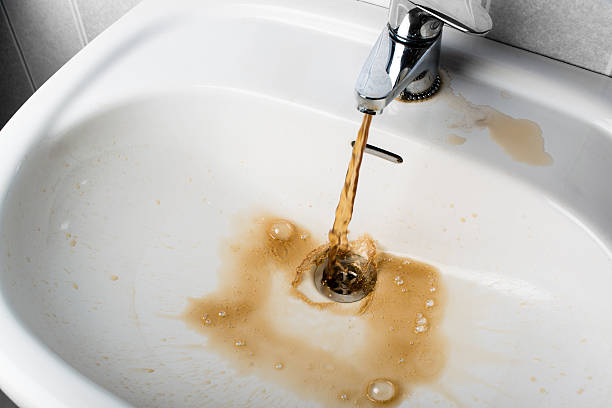
It is a scene familiar to many who live in the historic walk-ups of the South End or the converted factories of North Hoboken: you turn on the faucet after a long weekend away, and the water runs a distinct shade of amber or tea-brown. For years, the conventional wisdom passed down from landlords and longtime residents has been, “Just let it run for a minute; it’s just rust.”
But as we move through 2026, the data from thousands of lab results across various Hoboken locations is telling a different story. In an aging urban environment like the Mile Square City, rusty water is rarely a benign “cosmetic” issue. Instead, discolored water is often a visible warning sign of deeper chemical instabilities, structural pipe failure, and the presence of hidden heavy metals that pose a genuine risk to your health.
The Science of the “Red Water” Phenomenon
The “rust” you see is iron oxide. It occurs when the iron in your building’s pipes reacts with oxygen and water. While the EPA classifies iron as a “secondary contaminant” meaning it primarily affects the taste, odor, and color of water the presence of iron in your tap signifies that your plumbing is actively corroding.
In Hoboken, this is most common in buildings still utilizing galvanized steel pipes. As these pipes age, the zinc coating that once protected them wears away, leaving the raw steel to flake into the water supply. While iron itself isn’t toxic in small quantities, the process of corrosion that creates it acts as a gateway for much more dangerous substances.
The Lead Connection: Why Rust is a “Sponge”
The most significant danger of rusty water in Hoboken is what you can’t see. For decades, Hoboken’s infrastructure relied heavily on lead service lines. When lead particles flake off into the system, they don’t always wash away. Instead, they become trapped in the porous, jagged layers of rust inside your building’s galvanized pipes.
When you see “red water,” you aren’t just seeing iron; you are likely seeing the release of trapped lead “slugs.” As we often discuss on our blog, rusty pipes act as a reservoir for lead. Even if the city has replaced the main line in the street, the rust inside your building can continue to leach lead into your drinking water for years. This is why a simple local-quality test often reveals lead spikes that coincide with visible rust.
Bacterial Biofilms and Iron-Oxidizing Bacteria
Rust creates a physical environment that is perfect for microscopic life. The rough, pitted surface of a corroding pipe provides “nooks and crannies” where chlorine the city’s primary disinfectant cannot reach.
- Biofilms: Bacteria can attach to the rust and create a protective slimy layer called a biofilm.
- Nutrient Source: Iron-oxidizing bacteria actually feed on the corrosion of the pipe. While these specific bacteria are not usually harmful themselves, their presence indicates that the water’s protective disinfectant has failed, potentially allowing more dangerous pathogens like Legionella to take hold in your building’s hot water system.
This is why we provide specialized services to test for both metals and microbial activity. If your water is rusty, its ability to stay sterile has been compromised.
The Hot Water Catalyst
Have you noticed that your water is clear when cold but rusty when hot? This is a common Hoboken complaint. Heat is a catalyst that accelerates the corrosion of metal. Your hot water tank or building boiler acts as a giant “settling tank” where rust and sediment collect at the bottom.
If your maintenance schedule doesn’t include regular flushing of the water heater, this rust becomes concentrated. When you draw hot water for a bath or to boil pasta, you are drawing from a reservoir of concentrated oxidation.
Impact on Modern Life and Home Value
Beyond health, the “not just cosmetic” reality of rust extends to your pocketbook and your property.
- Appliance Failure: High iron levels lead to “pitting” in the internal components of dishwashers and high-efficiency washing machines.
- Staining: Rust causes permanent orange or brown staining on white porcelain sinks, toilets, and expensive linens.
- Pressure Issues: The same rust you see in your water is also building up inside the pipe (a process called tuberculation), which eventually narrows the pipe so much that your shower pressure drops to a trickle.
Why the “Flush” Isn’t a Permanent Fix
Many residents are told to “just flush the taps” until the water runs clear. While this removes the standing water that has been in contact with the rust overnight, it does nothing to stop the ongoing chemical reaction behind your walls.
Furthermore, flushing can actually be counterproductive if the city is doing work nearby. In 2026, Hoboken is a hub of water main upgrades. The physical vibration from construction on Washington Street or the North End can shake loose years of rust. Flushing during these periods can pull even more sediment into your home’s internal filters and aerators.
The Importance of Professional Verification
Because rust is so often a carrier for lead and bacteria, you cannot rely on a visual “clear water” check to determine safety. A professional lab analysis is the only way to:
- Identify the Metal Profile: Is it just iron, or is there lead and copper leaching as well?
- Locate the Source: Is the rust coming from the city’s aging mains or your building’s internal risers?
- Determine the Risk: Are the levels purely aesthetic, or do they exceed health-based action levels?
At Olympian Water Testing of Hoboken NJ, we use high-precision testing to give you a clear picture of what that discoloration actually represents.
Conclusion: Listen to Your Pipes
Rusty water is your plumbing’s way of asking for help. In a city as old and complex as Hoboken, ignoring discolored water is like ignoring a “check engine” light in your car. It might seem like a nuisance today, but it represents a fundamental failure of the system that protects your health.
Don’t settle for the “it’s just rust” excuse. Your water should be clear, odorless, and, above all, safe. If your building is showing signs of oxidation, it is time to look deeper and get the facts.