

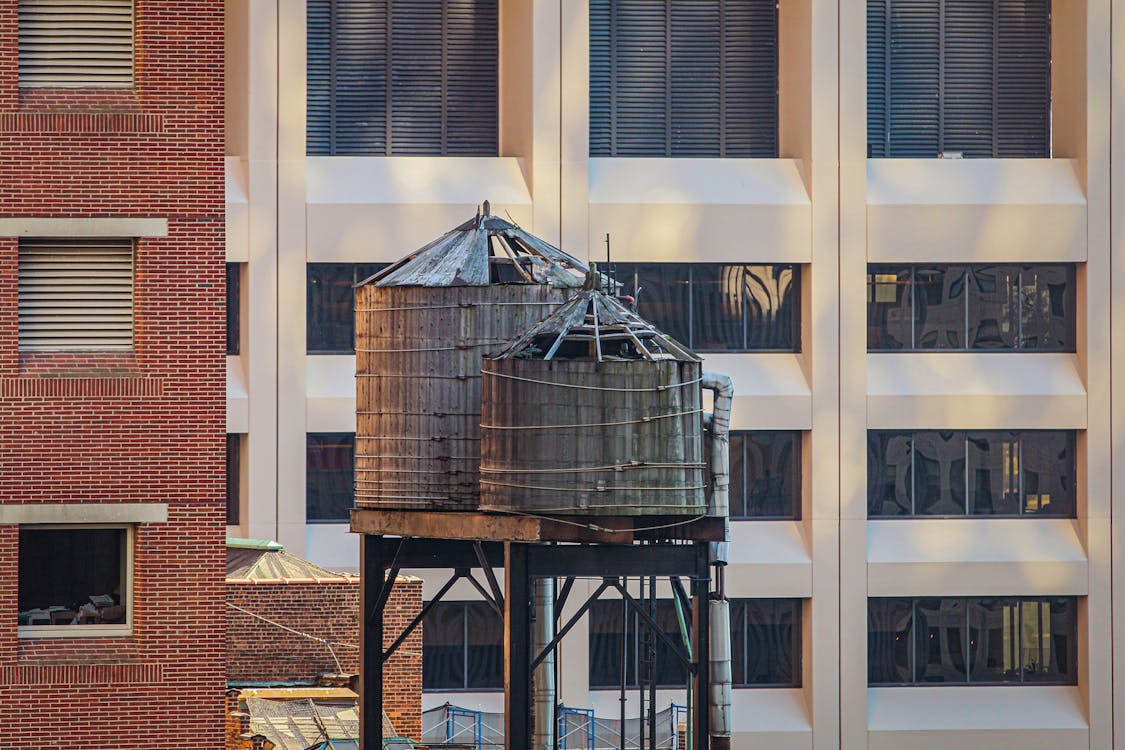
Hoboken is a renter’s city. From the high-rise luxury apartments in the North End to the classic walk-ups lining the avenues, thousands of residents call these units home. Yet, in 2026, a unsettling reality is coming to light: while homeowners and condo buyers often insist on water testing during a sale, many rental buildings in Hoboken are not testing their water at all.
Unlike properties with private wells, which are strictly regulated under the Private Well Testing Act (PWTA), municipal rental properties exist in a regulatory gray area. If you are a tenant in a Mile Square rental, you might assume your landlord is verifying the safety of your tap water every year. In reality, unless you are in a building that meets very specific modern criteria, your water quality may have gone unmonitored for decades.
The Regulatory Gap: Why Landlords Aren’t Required to Test
The primary reason for the lack of testing in rentals is a gap in New Jersey law. The PWTA requires landlords of properties served by private wells to test the water every five years and provide results to tenants. However, most of Hoboken is served by a public community water system.
In municipal systems, the city’s water utility is responsible for the water up to the property line. Once that water enters a building, it becomes the responsibility of the property owner. Historically, there has been no state-wide mandate requiring landlords in municipal areas to perform routine chemical or bacterial testing of the water inside their units.
This means that while the water leaving the treatment plant is safe, the water traveling through your building’s potentially century-old pipes is an unknown variable. As we’ve noted in our local-quality reports, the “last mile” of plumbing is where most urban water issues begin.
The 2025/2026 Shift: New Lead Disclosure Laws
Change is finally arriving, but it is specific and slow-moving. As of September 2025, New Jersey has implemented a new law (A2929/S1034) aimed specifically at lead in drinking water.
Under this new legislation:
- Landlords of buildings constructed before 1986 must provide a “Lead in Drinking Water Disclosure” to all tenants.
- Landlords are prohibited from obstructing the replacement of lead service lines.
- Crucially: Public water systems are now required to conduct a lead test at the request of an occupant (tenant) at no charge, up to once per year.
While this is a major win for transparency, it still leaves many other contaminants like bacteria from roof tanks or disinfection byproducts completely unaddressed unless the tenant takes the initiative.
Hidden Dangers in Untested Rental Units
If your landlord isn’t utilizing professional services to monitor the building, several issues can go undetected:
- Legionella in High-Rises: In large rental buildings with complex cooling towers or stagnant “dead legs” in the plumbing, Legionella bacteria can thrive. New Jersey has recently seen legislative pushes (like Senate Bill S1230) to require annual testing for Legionella in certain “covered buildings,” but many mid-sized rentals still fall outside these requirements.
- Stagnant Water Leaching: If you live in a building with high vacancy or one where many units are empty during the summer, water can sit in lead-soldered pipes for weeks. Without a building-wide flushing protocol or regular maintenance, the first tenant to turn on their tap is at risk.
- Cross-Connections: In older Hoboken rentals that have undergone multiple renovations, improper plumbing can lead to “cross-connections” where non-potable water can contaminate the drinking supply.
The Responsibility of the “Mile Square” Tenant
Because landlords aren’t always mandated to test, the burden of proof often falls on the resident. If you’ve noticed “strange tastes” or reside in one of the many locations in Hoboken currently undergoing water main replacements, you have the right to know what you are drinking.
At Olympian Water Testing of Hoboken NJ, we help tenants move from “suspecting” a problem to “proving” one. A certified lab report is a tenant’s most powerful tool when requesting that a landlord address plumbing issues or install whole-building filtration.
What Tenants Can Do Today
If you are concerned that your rental building hasn’t been tested, follow these steps:
- Request Your Free Annual Lead Test: Contact your water utility (such as Veolia or NJ American Water, depending on your building’s contract) and exercise your right under the 2025 law to have your tap tested for lead.
- Ask for the Disclosure: If your building was built before 1987, ask your landlord for the mandated Lead Disclosure form. If they don’t have one, they may be in violation of recent state updates.
- Monitor Your Tap: Keep an eye on our blog for local alerts. If there is a water main break on your block, the risk of sediment and bacteria entering your building’s lines increases significantly.
- Consider Private Testing: If you want a full panel (including bacteria, PFAS, and VOCs) that the city won’t provide for free, independent testing is the only way to get a comprehensive look at your unit’s health.
Conclusion: Don’t Assume, Verify
The “Gold Coast” of New Jersey offers some of the best living in the world, but our infrastructure is showing its age. Assuming that your rental building is testing its water is a gamble that many tenants are no longer willing to take. In a city where real estate is at a premium, clean water should not be a “luxury” feature it should be a guarantee.
Whether you are in a brand-new “smart” building or a charming walk-up, your water is only as safe as the pipes it flows through. By understanding your rights and being proactive about testing, you can ensure that your Hoboken home is truly a healthy place to live.