

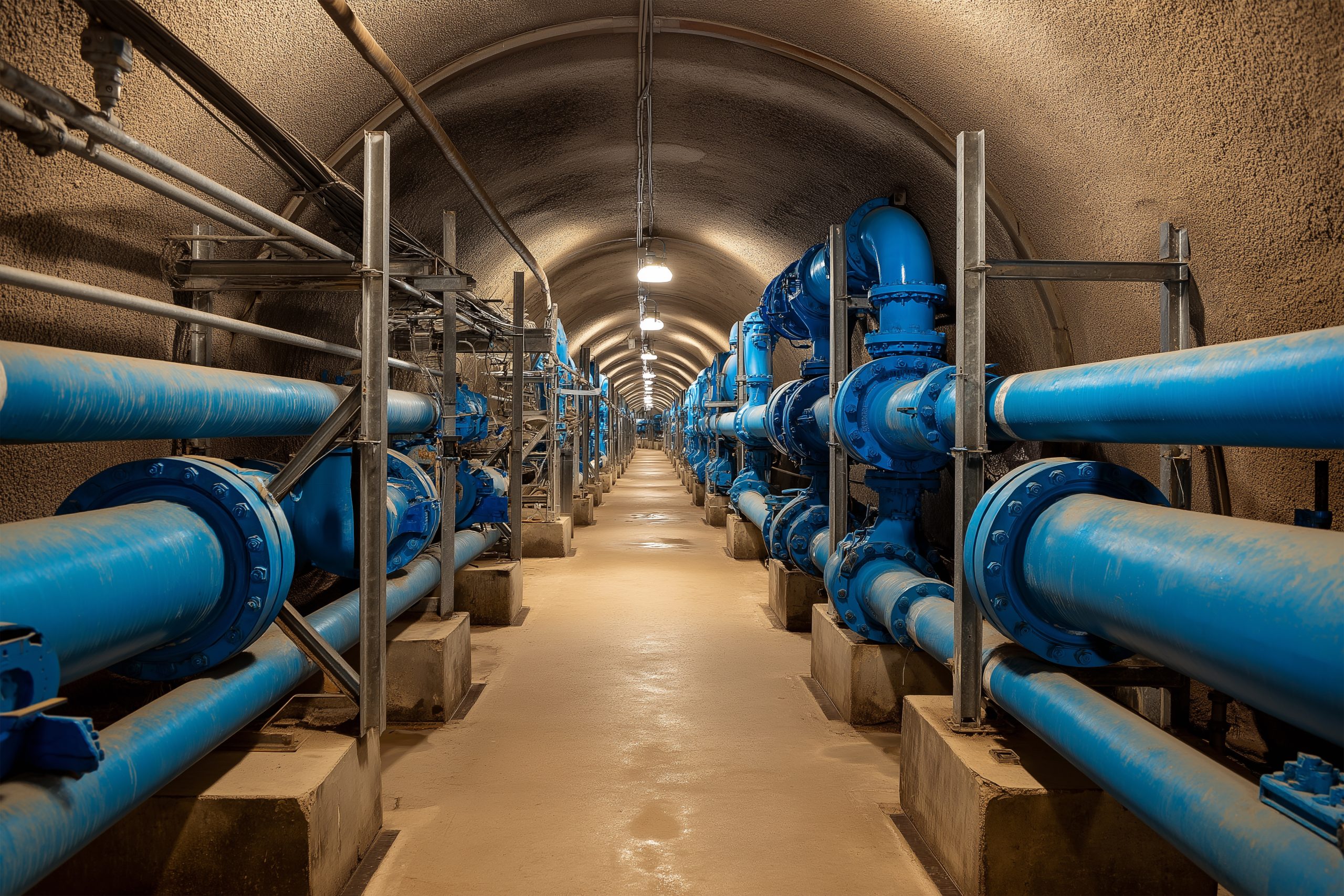
Older structures often boast unique architectural features. Yet, they may also harbor risks like lead contamination and copper corrosion. The Environmental Protection Agency’s updated Lead and Copper Rule, issued on January 7, 2025, emphasizes the importance of monitoring in old building plumbing. Experts at Mayo Clinic have linked heavy metal exposure to severe health issues.
NJ water testing acts as a preventive measure for property owners. It helps identify whether aging pipes are releasing harmful substances into the drinking water. This routine checkup protects residents and maintains confidence in the water quality.
Key Takeaways
- Traditional infrastructure often conceals lead or copper issues.
- Testing aligns with EPA guidelines to protect public health.
- Heavy metal exposure raises concerns for long-term well-being.
- Support from credible sources like Mayo Clinic reinforces safety steps.
- Regular NJ water testing pinpoints hazards and preserves occupant health.
- Older pipes in historic buildings may deteriorate, releasing contaminants.
- Careful oversight of old building plumbing reassures residents.
Understanding Lead and Copper in Aging Pipelines
EPA records show that old plumbing systems lead to lead and copper in drinking water. Aged fixtures and worn fittings allow small traces of metals to seep into building water supplies. This happens when certain pipes deteriorate under daily use, creating conditions that lead to health risks and safety concerns.
How Lead Contamination Occurs
Lead contamination often starts in pipelines made from outdated alloys. Lead solder used in joints can slowly dissolve, releasing hazardous particles. Over time, acid-prone conditions expedite pipe corrosion and prompt higher levels of lead in household faucets.
Why Copper Levels May Rise
Copper piping may release metal fragments when aging structures experience prolonged wear. Shifts in water pH or ongoing plumbing stress trigger leaching that affects flavor and raises water quality issues. Corroded connections lead to higher copper content, prompting safety concerns and underscoring the need for effective testing methods.
Residents in older properties should stay aware of leaching hazards. Regular monitoring is an effective safeguard against unexpected complications. Building owners may review local EPA records to stay updated on best practices. Testing schedules and plumbing upgrades help households address risks tied to older fixtures.
“The Environmental Protection Agency emphasizes the importance of timely tests to detect hidden contaminants in outdated pipelines.”
Communities benefit when building managers invest in consistent and sustained inspections. Plumbers trained in handling outdated sealants and metal lines can pinpoint areas where corroded materials threaten efficiency and safety. Such efforts protect families and reduce maintenance costs by addressing small leaks before they grow into serious hazards.
Health Hazards Associated with Lead Exposure
Lead can impact every part of the body. People often report headaches, mood swings, or stomach issues due to lead poisoning. Children are most at risk, facing developmental hurdles that can hinder growth and learning. Even slight exposure can quietly build up, making early detection critical for health.
The Mayo Clinic notes that even mild exposure can cause neurological damage. This can lead to memory loss or reduced focus. Adults dealing with lead exposure may experience fatigue, joint pain, and fertility problems. These issues are not just personal but also reflect broader public health concerns linked to contaminated water.
“Mayo Clinic indicates that chronic exposure often goes unnoticed, allowing toxic substances to build up over time.”
Common warning signs include:
- Persistent headaches or memory troubles
- Irritability or difficulty concentrating
- Upset stomach and digestive discomfort
- Sudden changes in mood or sleep patterns
| Population | Notable Impact |
| Children | Developmental delays, learning challenges |
| Pregnant Individuals | Higher risk of complications for mother and fetus |
| Adults | Greater chance of heart issues, reduced fertility |
Regular testing is key to protecting homes from hidden dangers. Effective strategies can reduce harm and create safer living spaces for all. Long-term effects might include kidney problems or lasting behavioral changes affecting daily life. Testing water in older homes is essential to catch harmful particles early. As plumbing in these homes can corrode, ongoing checks are vital for everyone’s health. Some areas rely on shared pipelines. Keeping up with water quality updates helps property owners find effective solutions to prevent serious health issues.
Why Old Buildings Are at Greater Risk
Many homes from earlier generations were built with materials that don’t meet today’s standards. EPA data reveals that properties built before certain dates often have plumbing with lead traces. This makes older homes and commercial spaces more susceptible to heavy metal contamination.
Historic structures often have original pipes showing visible damage and rust. Over time, these pipes can allow minerals to seep into drinking water. Lead-based solder was commonly used to join copper lines, leading to long-term corrosion if not addressed. Regular water safety inspections are key to catching these issues before they worsen.
Corrosion and Wear Over Time
Older plumbing systems face unique challenges that increase contamination risks. Nicks or leaks can accelerate corrosion, causing metals to flake into tap water. Factors like humidity, temperature changes, and shifting foundations add to the strain on aging components. It’s essential to stay vigilant, schedule inspections, and update hardware to maintain water quality. Owners who tackle issues promptly protect their property value and public health.
Signs Your Water May Contain Heavy Metals
The Environmental Protection Agency and the Centers for Disease Control and Prevention highlight a bitter or metallic taste as a sign of heavy metal buildup in drinking water. Rusty or discolored water, often showing reddish or brownish hues, could indicate elevated copper or lead in aging pipes. Low water pressure and sudden clogs also signal corrosion within a home’s plumbing.
Many residents rely on lead test kits to confirm contamination and alleviate concerns. Noticing unusual smells, taste changes, or numerous stains on fixtures is key. These signs prompt water professionals to quickly assess hazards. Taking swift action protects health and maintains the integrity of older systems, reducing risks from neglected pipelines.
| Symptoms | Potential Cause | Recommended Action |
| Metallic or bitter flavor | Possible copper or lead presence | Collect sample and schedule testing |
| Reddish or brown discoloration | Pipe corrosion or rust buildup | Inspect plumbing and replace rusted parts |
| Low flow or frequent clogs | Internal corrosion restricting water flow | Use certified test kits and seek professional advice |
How NJ Water Testing Identifies Hidden Threats
High-quality assessments are key to spotting issues early. They involve detailed lab analysis and advanced sampling methods. These methods uncover even the slightest changes in water quality, revealing contamination levels from metals or other harmful substances.
Clear water test results are essential for making informed decisions. They help identify chemicals, metals, and other elements that could harm public health. In New Jersey, licensed water testing services adhere to strict protocols, ensuring compliance and accuracy.
Certified Laboratories and Standards
Drinking water analysis facilities adhere to EPA standards. They use cutting-edge technology to detect small amounts of lead or copper. Being certified is a sign of their commitment to fairness and reliable results.
Common Test Results Indicators
Reports often show lead content in parts per billion and copper levels in parts per million. These numbers indicate the risk level and guide owners on necessary actions. Quick detection and response are critical in addressing these threats effectively.
| Contaminant | EPA Allowable Level |
| Lead | 15 ppb |
| Copper | 1.3 ppm |
Comparing Lead vs. Copper Contamination Levels
Pipe systems in older structures can reveal fascinating insights when examining lead vs copper. The toxicity comparison is a vital step in addressing risks for families and workers. Experts point to metal thresholds set by federal agencies to determine when health precautions are needed. The Environmental Protection Agency (EPA) sets a maximum allowable lead level of 15 parts per billion (ppb). Copper, though typically permitted at higher concentrations, creates contamination differences when levels exceed safe water standards.
This journal article highlights the importance of early detection. Elevated readings may lead to symptoms like gastrointestinal upset, if copper levels rise substantially. Lead, on the other hand, tends to produce long-term neurological concerns, making thorough testing critical.
“Unsafe concentrations of any heavy metal underscore the need for consistent test schedules and swift corrective measures.”
Professionals suggest periodic sampling to track any shifts in water composition. Evaluating permissible levels through recognized methods can boost confidence and prevent hidden problems. Routine checks safeguard residents from prolonged exposure and reinforce the importance of immediate action when test results exceed recommended guidelines. This approach minimizes health risks.
| Metal | EPA Action Level | Potential Risks |
| Lead | 15 ppb | Neurological issues, specially in children |
| Copper | 1.3 ppm | Gastrointestinal distress when significantly elevated |
State Regulations and Guidelines in the United States
The EPA’s Lead and Copper Rule saw significant updates, with the latest changes effective on January 7, 2025. These revisions impact compliance timelines and enforcement strategies under federal regulations. Many regions have adopted these updates or set stricter standards, focusing on high-risk buildings with outdated plumbing.
Some states implement water safety policies that mandate frequent sampling, detailed record-keeping, and timely reporting. Owners of legacy properties must stay informed about local mandates to ensure property compliance. State agencies may enforce additional steps to address aging pipes, including mandatory corrosion control measures. This strategy aims to reduce hazardous metals and protect residents from health risks.
How Policies Impact Old Building Owners
Buildings constructed decades ago often pose higher contamination risks, making adherence to the Lead and Copper Rule essential. Under various water safety policies, managers of older facilities are encouraged to adhere to sampling protocols. Effective property compliance involves regular testing and notifying occupants of hazardous levels. Failure to comply can result in penalties, increased operational costs, or restricted occupancy.
- Regular testing for compliance with state laws
- Enforced notifications to protect tenants
- Guidelines tied to federal regulations
Filtration and Treatment Methods that Work
Old buildings often face unique challenges with hidden contaminants in their pipelines. To ensure clean water, it’s essential to choose the right filtration systems. This is even more critical when dealing with lead or copper buildup. Opting for NSF-approved devices can boost confidence in addressing health concerns related to heavy metals.
Point-of-Use Systems
These small units are installed near faucets, providing targeted performance. They often use reverse osmosis to capture lead and other heavy substances. Some models include specialized cartridges for tasks like chlorine taste reduction or advanced corrosion byproduct removal. Homeowners often prefer these for individual kitchens or bathrooms.
Whole-House Approaches
For widespread contamination, broader methods are necessary. Water softeners can reduce mineral content, protecting appliances. Centralized treatment systems use advanced filters and chemical balancing for every indoor outlet. Lead reduction filters are often used to combat chronic metal presence. Regular checks by certified professionals ensure each stage operates effectively.
| Method | Main Benefit | Use Case |
| Reverse Osmosis | Removes tiny particles | Faucet-level purification |
| Water Softeners | Reduces mineral buildup | Whole-house coverage |
| Centralized Treatment | Targets multiple outlets | Large buildings or long-term needs |
Costs and Long-Term Benefits of Professional Testing
Property owners often worry about the costs of professional water testing. Yet, the evidence is clear: it can save you from much bigger expenses down the line. Labs charge differently, and fees vary by region. But the cost is usually a small fraction of what you might face if contamination goes unnoticed.
For building managers, protecting public health is a top priority. Detecting heavy metals and other hazards early allows them to act swiftly. This investment in safe water assurance boosts confidence in the water quality. It also strengthens the relationship between owners and tenants. Following EPA standards is essential, but constant vigilance is necessary to catch any hidden dangers.
Many people find that a simple test today can lead to significant savings in the long run. Minor plumbing fixes or upgrading filters can prevent costly overhauls. These steps are wise investments in your property’s value and the health of its occupants. Regular testing can also catch small changes in water quality, helping you avoid expensive emergencies.
Ultimately, proactive testing offers lasting benefits. It enhances confidence in your home’s systems and ensures compliance with regulations. This focus on prevention keeps you ahead of problems and brings peace of mind to everyone relying on clean, reliable water.
Proactive Maintenance Tips for Building Owners
Proper upkeep of buildings can significantly extend the life of water systems and safeguard the health of occupants. A key aspect of preventive maintenance involves inspecting pipes for any signs of discoloration or small leaks. These indicators often point to corrosion. Identifying these issues early on allows owners to tackle hidden problems before they become major concerns.
Experts, including the American Water Works Association, advocate for regular evaluations to maintain plumbing systems in optimal condition. These frequent assessments help catch small warning signs that might be overlooked.
Routine Plumbing Inspections
Regular plumbing inspections enable specialists to conduct thorough corrosion checks and quickly identify trouble spots. In older buildings, pinhole leaks in copper piping can signal weakening materials and pose contamination risks. Prompt repairs are essential to prevent heavy metal leaching and ensure the quality of drinking water.
- Visual assessments for dark stains or drips
- Pressure testing to confirm stable flow
- Video scans to identify hidden blockages
Aligning each inspection with annual water testing is a strategic approach that preserves building integrity. It enhances efficiency and protects the health of all occupants.
| Maintenance Action | Long-Term Advantage |
| Frequent Pipe Assessments | Limits wear and prevents costly buildup |
| Timely Repairs | Minimizes leaks and stops contamination |
| Professional Testing | Verifies water safety and quality |
Choosing the Right Testing Schedule
This stage focuses on creating a tailored plan based on building age, past contamination, and risk levels. EPA and CDC guidelines recommend personalized testing intervals for various property types. The goal is to find a balance between cost and health, ensuring both tenants and owners have confidence in their water.
Water temperature significantly impacts corrosion rates, as shown by records across the country. Seasonal testing can catch early signs of metal contamination, critical for older pipes or those with past issues. Changes in the local water source, like moving from a reservoir to groundwater, also necessitate flexible monitoring strategies.
Seasonal Changes in Water Quality
Temperature changes outdoors can increase metal solubility, affecting lead and copper levels. While annual tests are common, buildings in areas with extreme temperature fluctuations may benefit from more frequent checks. Consistent record-keeping helps identify patterns, guiding necessary improvements.
Frequency Recommendations
Buildings often begin with annual tests and adjust based on results. A detailed testing schedule can significantly reduce exposure risks. Regular tests provide immediate insights into pipe corrosion and other factors affecting water safety. Certified labs and organized documentation help owners make informed decisions.
| Risk Level | Testing Schedule | Key Factors to Monitor |
| Low-Risk (Newer Pipes) | Annual Tests | Basic metal levels, pH |
| Moderate-Risk (Aging Infrastructure) | Biannual | Corrosion signs, water temperature effects |
| High-Risk (Very Old Systems) | Quarterly | Lead, copper content, local water source changes |
Communicating Water Safety to Residents and Tenants
Building occupant trust is strengthened when owners openly discuss water safety. The Environmental Protection Agency (EPA) and state authorities mandate timely updates on water test results. Quick responses alleviate concerns and show a commitment to everyone’s health.
Effective tenant notification strategies include digital newsletters, common area bulletins, or direct emails. This approach fosters transparency and encourages dialogue within the community. Regular updates and educational materials stress the need to inspect old pipes and be alert to changes in water appearance or taste.
When residents understand the risks associated with old plumbing, their confidence in the building’s water system grows. Sharing updates on actions taken to mitigate contamination makes them feel part of the solution. Hosting Q&A sessions or distributing guidelines enhances a sense of safety and collective responsibility. Clear communication not only addresses concerns but also empowers residents to remain vigilant about their drinking water.
Securing Peace of Mind with Comprehensive Water Testing
Ensuring safe water is a priority in older buildings. It acts as a final safety measure, safeguarding health. Owners who monitor for corrosion and sediment can dodge unexpected contamination.
Property managers are critical in addressing lead and copper issues. They ensure pipes and fixtures meet current standards. This ensures clear water for drinking and washing. Regular testing boosts tenant confidence in reliable systems.
Experts advocate for ongoing water quality assessments to build trust. Owners can schedule NJ water testing to identify and fix problems. This aligns with environmental standards, maintaining a positive image for any property.
Quickly addressing water quality issues prevents widespread harm. Upgrading pipes or filters promptly reduces health risks. A consistent testing schedule, open communication, and professional guidance foster confidence in water quality and future well-being.
FAQ
Why is lead contamination specially common in older buildings?
Older buildings often have lead-based pipes or fixtures. Over time, these corrode, releasing heavy metals into the water. The EPA’s Lead and Copper Rule states that pipes made before new regulations are more likely to leach lead. This makes NJ water testing critical for identifying and addressing health hazards.
How does copper infiltration occur in aging pipelines?
Copper infiltration occurs when older copper pipes or those joined with lead solder corrode. This happens in acidic or low-mineral-content water. The corrosion can increase copper levels, affecting taste and posing health risks. Routine professional testing helps uncover hidden copper contamination early.
What health risks does lead exposure pose, according to the Mayo Clinic?
The Mayo Clinic warns that prolonged lead exposure can cause neurological damage. It can also lead to developmental delays in children and increased risks of hypertension and fertility issues in adults. Even trace amounts can be harmful, making regular water quality monitoring essential to prevent serious health complications.
Are there visible signs that water may contain heavy metals like lead and copper?
Yes. Metallic or bitter tasting water, reddish or brownish discoloration, and frequent faucet clogs can indicate corrosion and heavy metal infiltration. While these signs are not conclusive proof of contamination, they signal the need for a certified lab test to confirm the presence of lead or copper.
What role do certified laboratories play in NJ water testing?
Certified labs use EPA-approved methods to measure contaminants accurately. They reference established maximum contaminant levels. Their expertise ensures reliable results by discovering even minute traces of lead, copper, and other heavy metals. This gives property owners confidence in their next remediation steps.
How does the EPA’s Lead and Copper Rule define acceptable contamination levels?
The EPA sets the action level for lead at 15 parts per billion (ppb) and for copper at 1.3 parts per million (ppm). If tests exceed these thresholds, property owners must take immediate measures to reduce contaminants and protect occupants from further exposure.
What are effective filtration or treatment methods for heavy metal removal?
Point-of-use filters, such as reverse osmosis systems, are popular for removing lead and copper at individual faucets. Whole-house solutions include centralized filtration or water softeners to minimize corrosion. Selecting an approach with National Sanitation Foundation (NSF) certification ensures that the system meets rigorous performance standards.
Does proactive water testing offer long-term cost benefits?
Yes. Routine testing helps detect corrosion and contamination early, preventing expensive medical, legal, or repair costs. Staying in compliance with federal guidelines also safeguards property values and tenant satisfaction. This makes periodic testing a wise investment for building owners.
How often should property owners in New Jersey test their water?
Annual testing is generally recommended. Older buildings or those with a history of elevated lead or copper may require more frequent checks. Seasonal changes in water chemistry can influence corrosion, so many experts and local regulators advise adjusting the schedule as building conditions evolve.
How can owners communicate water safety precautions to residents and tenants?
Transparent communication about testing schedules, lab results, and any remediation plans fosters trust. Sharing official data like EPA and state guidelines reassures occupants their concerns are taken seriously. Encouraging residents to report odd tastes, odors, or discoloration also helps maintain safe water standards for everyone.