

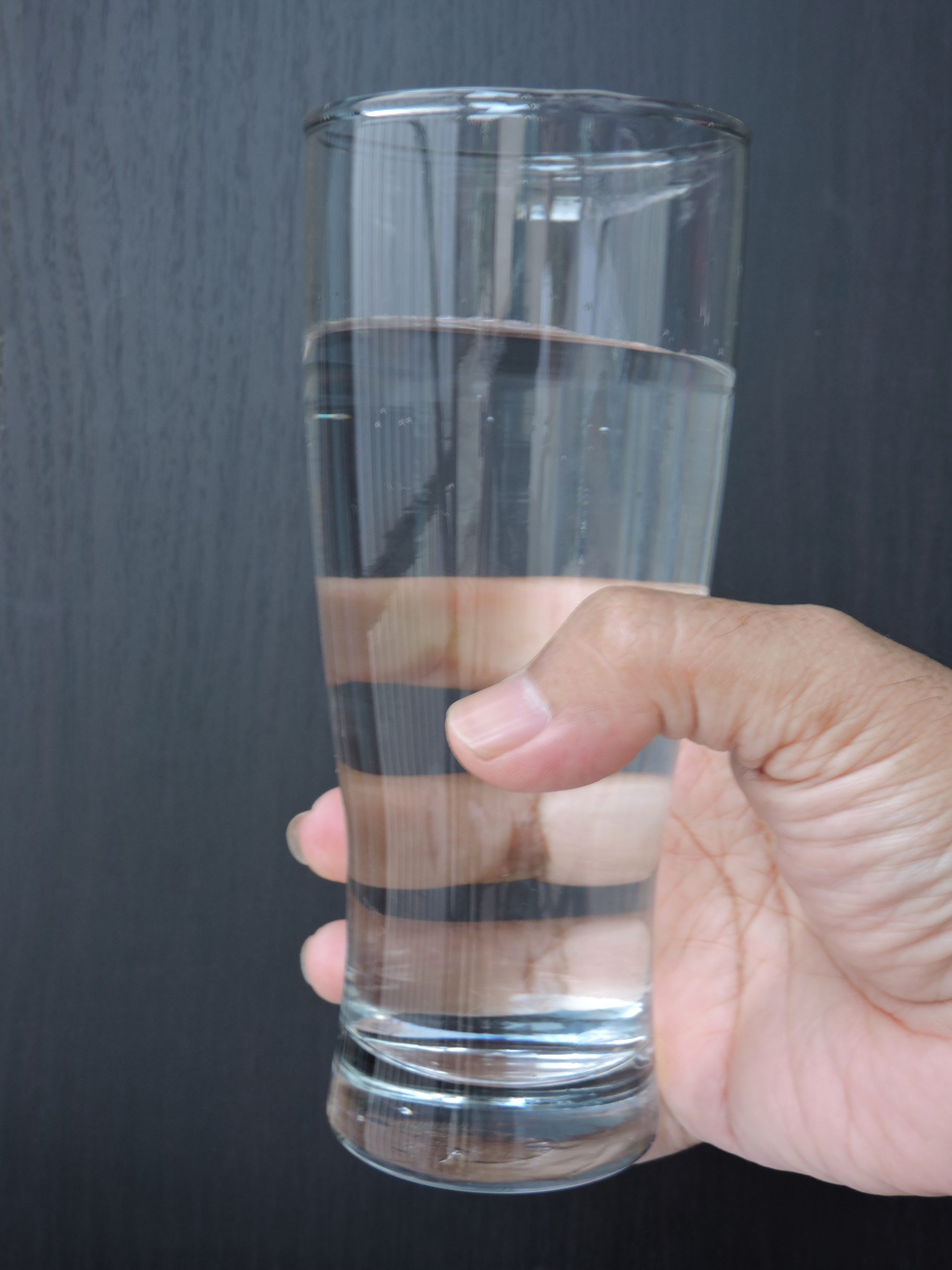
Water quality is fundamental to our daily lives. Homeowner testing uncovers hidden dangers, ensuring families stay safe. Clean water not only improves health but also extends the life of plumbing systems, creating a safer home environment.
These tests aim to detect contaminants like sediment and bacteria that can harm health and pipes. Early detection is key to maintaining robust systems and peace of mind.
Key Takeaways
- Regular assessments reduce risks connected to unsafe water.
- Testing reveals hidden issues contributing to plumbing wear.
- Clean water helps prevent common health concerns.
- Frequent checks can guide timely repairs or new filtration steps.
- Reliable test data boosts confidence in daily water usage.
Why Home Testing Matters
Many people believe tap water is safe if it looks clear. Yet, safety extends beyond visual inspection. Hidden dangers, such as invisible toxins, can pose significant risks to our health if not detected.
These hidden threats might include heavy metals and leftover chemicals. Ignoring them can lead to severe consequences. Fortunately, DIY water testing can identify these issues early, preventing costly problems later on.
Experts from the Environmental Protection Agency emphasize that clear water doesn’t always mean it’s safe. They stress the importance of detecting contaminants. Simple tests can reveal if your water is safe, allowing families to act swiftly and reduce health risks.
Home testing offers a critical window into the need for professional intervention. Identifying water contaminants early ensures a safer environment. It also boosts our confidence in the safety of our living spaces.
Essential Tools for At-Home Assessments
Ensuring safe drinking water often begins with the right resources. Many homeowners prefer at-home kits for convenience and quick feedback on common concerns. These tools range from simple options that track pH levels to more advanced methods that pinpoint contaminants with precision.
Some individuals rely on test strips to gain an immediate snapshot of water hardness or chlorine content. Others invest in a digital water meter to log ongoing data and spot changes over time.
Test Kits: Choosing the Right Options
Dip strips offer a fast solution for users who want swift results. Reagent-based kits, offered by brands like LaMotte, use color changes that guide households in recognizing shifts in quality. Both types aid in daily checks, providing an accessible approach to maintaining a healthy water supply.
Digital Meters and Their Advantages
Handheld meters deliver real-time readings with greater accuracy. Hach and other well-known brands produce meters that sync with software for trend analysis. This approach helps users document each sample on a schedule and respond to detected imbalances quickly.
Identifying Common Contaminants
Many households face threats from substances that compromise water quality. It’s essential to recognize recurring pollutants for health and peace of mind.
Contaminants can stem from outdated piping or industrial runoff. Symptoms may not appear until problems are severe. Each type poses unique dangers, necessitating informed testing.
Lead and Heavy Metals
Lead contamination can enter tap lines through corroded plumbing. This exposure, including other metals like copper, can harm organs and hinder child development.
Chemical Byproducts
Industrial processes can leave chemical residues in rivers and aquifers. Certain disinfectants in municipal supplies can react with natural elements, creating residues with varied risks.
Microbial Threats
Pathogens pose significant microbial hazards in water sources. Bacteria, viruses, and parasites can enter homes after heavy rainfall or system failures.
Community programs, backed by the Environmental Protection Agency, aim to maintain water line health. Testing uncovers issues before they lead to major expenses or health threats. Ensuring clean drinking water becomes a collective responsibility.
How pH Levels Influence Household Safety
Water chemistry is a critical aspect of our daily lives. Maintaining the right pH balance is essential for protecting our plumbing, ensuring our health, and preserving the condition of our fixtures. Extreme pH levels can alter the taste of water and pose hidden risks over time.
Acidic water can corrode pipes, releasing harmful metals into our drinking water. This issue often results in stained sinks and faucets, and increases the risk of equipment failure. Homeowners dealing with corrosion should consider detailed water testing to find effective solutions.
Testing helps identify safe pH ranges, guiding homeowners to treatments that mitigate harmful effects. Alkaline water, on the other hand, can lead to scale buildup, raising maintenance costs for appliances. Achieving a balance is key to preserving clean drinking water and protecting pipes from premature wear.
| Condition | Household Impact |
| Acidic Water | Corrodes metal pipes, stains fixtures |
| Alkaline Water | Causes scale deposits in appliances |
| Proper pH Balance | Promotes cleaner water and fewer repairs |
Proven Methods for Testing Water Hardness
High water hardness can lead to scale buildup in pipes, increasing maintenance costs. A simple test can help households identify early signs of trouble. This is important, as it prevents excessive maintenance expenses.
The Soap Test
This traditional method involves filling a clear container halfway, adding a small amount of dish liquid, and shaking it. If the mixture froths abundantly, it indicates low mineral content. On the other hand, if the bubbles are thin and quickly disappear, it might suggest water hardness. This test is a quick way to determine if soap residue on surfaces is due to hard water.
Optical Water Hardness Strips
These strips are designed to measure mineral levels precisely. By dipping the strip into a water sample and comparing its color to a chart, you can determine the water’s hardness. A darker color indicates higher mineral levels. Early detection allows for the installation of water softeners, which can prevent scale buildup. This protects appliances like washing machines and water heaters from harmful deposits.
Simple Strategies for Detecting Bacteria
In many homes, water may harbor unseen organisms that pose a health threat. Bacterial testing helps confirm if water is free from waterborne pathogens. These pathogens can trigger stomach discomfort or more severe complications.
Proper detection requires simple tools and a careful approach. Failing to handle samples carefully raises contamination risk. This undermines accuracy.
Collecting Samples Properly
Professionals recommend using sterile containers and running faucets for a few moments before filling. Wearing clean gloves limits transfer of foreign particles. Careful handling ensures the sample reflects real conditions inside pipes and storage units.
This method follows recommendations from the Environmental Protection Agency (EPA). It strengthens confidence in every reading.
Interpreting Bacterial Growth
Many at-home kits include color-changing media that reveal elevated microbial activity. Bright hues often indicate colonies forming. This suggests a deeper issue that might require shock treatment or further analysis by a science lab.
Subtle shifts are sometimes harmless, but persistent color changes demand swift action.
Preventing Sample Contamination
Clean handling of water is essential for test integrity. Containers must be free from detergent residue and thoroughly rinsed. This ensures the removal of any lingering traces. To start accurately, flush taps to replace stagnant water with fresh flow. Sealed bottles then protect against airborne particles.
Adhering to sterilization steps boosts confidence in data. Basic precautions include wearing disposable gloves and wiping container rims with rubbing alcohol. Paying extra attention to lids minimizes the risk of contamination. This method prevents bacteria and foreign matter from affecting results, saving time by potentially avoiding repeat tests.
Experts from the United States Environmental Protection Agency stress the importance of proper disposal of used materials. Labeling each sample clearly aids in tracking findings during data review. These efforts lay a solid foundation for reliable outcomes and peace of mind.
When to Consult a Professional Lab
Basic at-home kits often miss threats like radon or asbestos. Homeowners may need expert insight to detect contaminants or verify mold and chemical issues. This leads many to seek professional water analysis, beyond what a routine home review offers. A deeper investigation can confirm or dismiss lingering worries.
Local inspectors sometimes overlook uncommon pollutants. Those with older plumbing or past contamination reports might benefit from in-depth testing. Official documentation can bring peace of mind during real estate transactions or ongoing maintenance. Certified labs deliver precise data, filling gaps that store-bought meters cannot address.
Cost vs. Accuracy Factors
Spending more on specialized assessments can lead to greater certainty about water quality. Though budget-friendly solutions are handy, a lab-generated report may be necessary to avoid long-term health risks. Higher accuracy can justify the investment, ensuring the safety of a property’s future.
DIY Solutions for Basic Troubleshooting
Many homeowners find that minor odors or slight discoloration in tap water can lessen with quick fixes. A simple approach is to flush faucets or replace aerators, reducing buildup that leads to unpleasant smells. Investing in home filtration systems from brands like Brita or APEC helps clear out lingering particles found during household water tests.
Small steps provide initial relief when faced with disrupted taste or appearance. Basic water fixes include swapping old faucet screens or running hot water for a short interval. Each measure helps clear sediment before it becomes a bigger concern. In many cases, these easy interventions restore clarity and lower the chance of bacterial growth.
Short-term solutions work best for minimal issues. Stubborn contamination may demand professional help. Yet these do-it-yourself methods give users a reliable first step on the path toward safer tap water.
| DIY Task | Reason to Try |
| Flush Faucets | Reduce stale smells and mild discoloration |
| Clean or Replace Aerators | Eliminate debris affecting taste |
| Install Simple Filtration | Filter out impurities highlighted by household water tests |
Interpreting Your At-Home Test Results
Understanding what your equipment reveals is key to preserving household safety. A clear test results interpretation helps spot hazards early. Even slight changes in pH or bacterial buildup are important to catch.
Deciphering Color Changes
Kits with color-coded panels make identification easier. A greenish tint often means balanced pH levels, while deep reds indicate high acidity. It’s also important to check bacterial indicators. Any darkening or unexpected growth means it’s time for more action.
Knowing When to Retest
Water quality can change due to new fixtures or visible sediment. A retesting schedule is wise when taste or odor seems off. Changes in municipal sources or noticeable staining also call for another test. The Environmental Protection Agency (EPA) advises regular checks if pH levels stray or contamination is suspected. Quick retests help maintain a stable supply, bringing peace of mind.
Enhancing Water Quality for a Healthier Home
Clean water is a cornerstone of a peaceful home. Regular maintenance prevents unexpected issues, ensuring consistent comfort in daily life. Even small upgrades can significantly improve personal well-being.
Many families invest in water filtration upgrades to protect against contaminants. This commitment to healthy living involves monitoring for sediment, odors, and other signs that could affect taste or color. Regular inspections of pipes and fixtures prevent problems from growing and maintain the efficiency of water systems.
Simple steps can enhance safety in every room:
- Schedule plumbing tune-ups to ensure smooth flow.
- Replace outdated filters with higher-rated brands.
- Test clarity and pH levels to catch subtle warning signs.
Experts suggest using reliable brands like Brita or Culligan for advanced filtration. Proper care extends the life of home appliances and safeguards family members from future health risks.
| Action | Suggested Frequency |
| Filter Replacement | Every 3–6 Months |
| System Inspection | Once a Year |
Addressing Seasonal Variations in Home Water
Seasonal changes significantly impact household water quality. Temperature and precipitation shifts can lead to microbial growth or chemical runoff, altering local water supplies. Homeowners need flexible strategies to adapt to these seasonal demands.
Adapting Testing Frequency by Weather
Heavy rainfall can introduce contaminants into municipal water sources. Droughts, on the other hand, can increase mineral levels. Seasonal water testing helps households detect these changes early. Scheduling preventive checks when unusual tastes or odors occur is key. Recent research from public health experts highlights the need for regular analysis. Understanding the weather impact ensures consistent water quality.
- Test after heavy rainfall or thaw
- Monitor hardness during dry spells
Collaborating with experts, like those from the Environmental Protection Agency, is vital for long-term water safety. Customizing seasonal water testing to community needs provides peace of mind for all households.
Maintaining Peace of Mind Through Regular Testing
Homeowners quickly learn the importance of routine checks. Simple habits, like marking a calendar or setting phone alerts, keep schedules on track. Past results provide a clear guide for any changes that may occur.
Those who prioritize long-term safety benefit from regular testing. Some issues may seem minor at first but can grow if ignored. A growing database of data reveals patterns, showing gradual changes in water quality.
Water quality monitoring is a key to maintaining wellness all year. It catches small problems before they escalate. Regular assessments ensure daily convenience and health. This consistency reinforces responsible homeownership and brings peace of mind to all.
FAQ
How does testing for heavy metals safeguard a household’s health?
Early detection of lead, arsenic, and other metals is critical. It guards against long-term health risks. Older plumbing systems often harbor these contaminants. Testing ensures swift action with filtration or pipe replacements.
Why should owners of private wells consider frequent water tests?
Private wells lack municipal oversight, making them vulnerable to pollutants. Regular testing, following EPA guidelines, is essential. It keeps owners informed and allows for timely corrective actions.
Are reverse osmosis systems effective for removing contaminants?
Reverse osmosis systems effectively remove a variety of impurities, including lead and certain bacteria. They use a semipermeable membrane to capture contaminants. Adding activated carbon filters can further enhance water quality.
How important is testing for E. coli in home water supplies?
E. coli testing is vital for detecting fecal contamination. While general bacterial tests are common, E. coli screenings are more specific. Positive results necessitate immediate disinfection or professional intervention.
Should they test for pesticides if farmland runoff is suspected?
Testing for pesticides is advisable near agricultural areas. Use kits designed for herbicides or insecticides, or consult a lab for detailed analyses. Early detection allows for timely filtration system installation or treatment.
Does measuring water hardness regularly impact energy efficiency?
Yes, water hardness affects energy efficiency. Hard water causes scale buildup in water heaters, increasing energy costs. Regular tests inform the need for softening systems or scale prevention measures.
How does checking pH levels maintain household safety?
pH testers are essential for ensuring water safety. Acidic water can corrode pipes, releasing metals like copper. Very alkaline water can cause scaling in appliances. Maintaining a balanced pH range is key to appliance longevity and water quality.
When should they consult a professional lab for water analysis?
If water shows unusual discoloration, strong odors, or unexpected chemical readings, professional help is needed. Lab specialists offer precise detection methods, ensuring accurate data and peace of mind.
Is it necessary to disinfect pipes after adverse bacterial test results?
Yes, often. If bacterial levels are high, chlorine shock treatments or UV purification are effective. Follow NSF certification guidelines or seek expert advice for effective contamination resolution.
How often should they retest water for peace of mind?
Retesting frequency depends on household and location specifics. Seasonal changes, recent plumbing work, or taste/odor shifts indicate the need for retesting. Regular reminders ensure ongoing safety and keep records up-to-date.