

It’s a common occurrence in the Mile Square City: you turn on the kitchen faucet to fill a glass of water, and you are immediately hit with a sharp, swimming-pool-like aroma. In many Hoboken locations, from the historic brownstones near Church Square Park to the modern luxury rentals along the North End, residents frequently report that their tap water smells like bleach.
While it can be alarming to smell a harsh chemical coming from your drinking supply, the presence of that “bleach” scent which is actually chlorine is a sign that the water treatment process is working. However, in 2026, as Hoboken continues to modernize its infrastructure, the question isn’t just why the water smells like bleach, but how much of that chemical is actually reaching your glass and what it means for your home’s local-quality profile.
The Science Behind the Scent: Chlorine vs. Chloramine
The bleach-like odor you detect is the result of the disinfection process used by the municipal water provider. Like most urban centers in New Jersey, Hoboken’s water is treated with chlorine or chloramines (a combination of chlorine and ammonia).
- Pathogen Protection: The primary goal of adding these chemicals is to kill bacteria, viruses, and parasites like Cryptosporidium and Giardia. According to the Centers for Disease Control and Prevention (CDC), maintaining a “disinfectant residual” is essential to ensure that water stays sterile as it travels through miles of underground mains to your apartment.
- The “Bleach” Illusion: Interestingly, if the water smells strongly of chlorine, it often means the chlorine is working hard to break down organic matter. When chlorine reacts with pollutants, it creates “chloramines,” which actually smell more pungent than the pure chlorine itself.
While the presence of chlorine is a sign of safety regarding bacteria, it doesn’t mean the water is “perfect.” For many Hoboken residents, the concern is the concentration levels and the byproducts created by these chemicals.
Why the Smell Might Be Stronger Today
If you’ve lived in Hoboken for a while, you may notice the bleach smell fluctuates. There are several reasons why the scent might spike in 2026:
1. Water Main Maintenance and Construction Hoboken is currently undergoing significant infrastructure upgrades. When the city replaces old pipes or repairs a break, they often “shock” the lines with higher doses of chlorine to ensure no external bacteria entered the system during the work. If there is construction on your block, you are much more likely to notice a bleach-like scent.
2. Distance from the Treatment Source Water loses its chlorine residual the further it travels. To ensure that the very last building on the Hoboken waterfront has sterile water, the “starting” dose at the treatment plant must be high enough to survive the journey. If you live closer to the entry points of the city’s water system, your levels will naturally be higher.
3. Seasonal Temperature Changes In warmer months, bacteria multiply faster, and chlorine dissipates more quickly. The water provider may increase the dosage during the summer to compensate for the heat, leading to a more noticeable aroma.
The Hidden Risk: Disinfection Byproducts (DBPs)
While the chlorine itself is added for safety, it can create a secondary problem. When high levels of chlorine react with naturally occurring organic matter in the water (like decaying vegetation from the reservoir), they create Disinfection Byproducts (DBPs), specifically Trihalomethanes (THMs).
Long-term exposure to high levels of THMs has been linked to increased risks of cancer and reproductive issues. This is why many residents use our services to measure not just the chlorine, but the chemical byproducts that the “bleach smell” leaves behind. As we often discuss on our blog, the smell is just the tip of the iceberg.
Chlorine and Your Building’s Internal Plumbing
In older Hoboken apartment buildings, high chlorine levels can have an unintended side effect: Corrosion.
Chlorine is an oxidizer. If your building has older copper pipes with lead solder or galvanized steel lines, the high chlorine content can accelerate the “pitting” of those pipes. This means that water which smells like bleach might also be carrying trace amounts of lead or iron that it “ate” away from your building’s internal plumbing.
We frequently find that Hoboken residents who complain about a bleach smell also have elevated copper or iron levels because the disinfectant is reacting with their home’s maintenance failures.
How to Manage the “Bleach” Smell at Home
If the scent of your water is bothersome, there are several ways to mitigate it without compromising safety:
- Evaporation: Chlorine is a gas. If you fill a pitcher of water and leave it on the counter (uncovered) or in the fridge for a few hours, much of the chlorine will naturally dissipate into the air.
- Carbon Filtration: Standard activated carbon filters (like pitcher filters or refrigerator filters) are highly effective at removing the taste and odor of chlorine. However, they must be changed regularly, as a “spent” filter can actually become a breeding ground for bacteria once the chlorine is removed.
- The Vitamin C Trick: A small amount of Vitamin C (ascorbic acid) can neutralize chlorine almost instantly. This is a common trick used for bathwater to prevent skin irritation.
When Should You Actually Be Concerned?
While a slight bleach smell is normal, you should seek professional contact if:
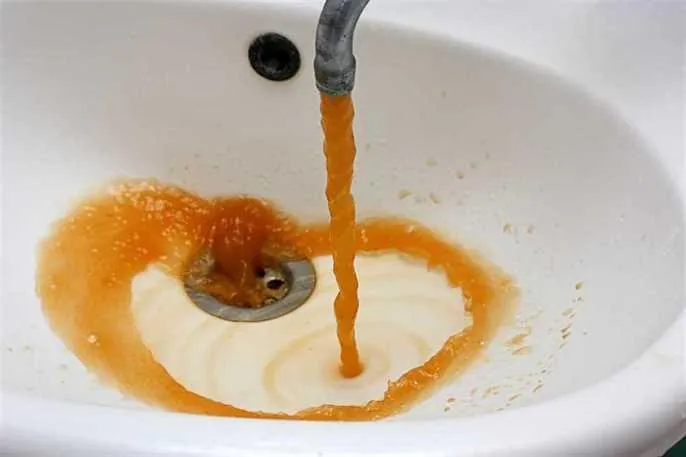
- The smell is accompanied by a change in color: This indicates that the chlorine is reacting with corroding pipes.
- Skin Irritation: If you or your children develop rashes or dry, itchy skin after showering, the chlorine levels may be excessively high.
- The smell persists after filtration: This could indicate that the odor isn’t chlorine at all, but another chemical or a high concentration of chloramines that require more specialized filtration.
At Olympian Water Testing of Hoboken NJ, we provide precise measurements of “Free Chlorine” and “Total Chlorine.” This data allows you to see exactly how much disinfectant is reaching your tap and whether it’s at a level that could be damaging your skin, hair, or plumbing.
Conclusion: A Scent of Safety with a Side of Caution
The “bleach” smell in your Hoboken tap water is a double-edged sword. It confirms that you are protected from the waterborne illnesses that once plagued urban centers, but it also signals a chemical presence that many residents prefer to minimize.
In 2026, the key to water safety in the Mile Square is balance. By understanding why the smell is there and verifying that it isn’t causing secondary issues like pipe corrosion or high DBP levels, you can enjoy the convenience of city water with the peace of mind that your home is truly safe.