

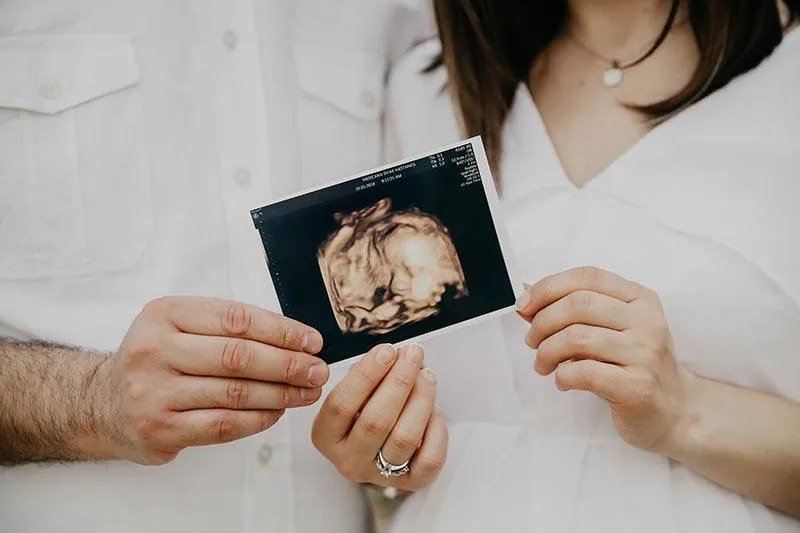
Welcoming a new baby into a Hoboken home is a time of immense joy, but in 2026, it is also a time of meticulous preparation. Amidst the flurry of nursery decorating and car seat installations, a new “must-do” has emerged for local families: professional water testing. In a city where historic charm often hides 19th-century infrastructure, parents are increasingly realizing that ensuring the safety of their child’s first sips and baths requires more than just a standard pitcher filter.
From the brownstones of the South End to the modern high-rises in the North End, the “Mile Square City” is undergoing a massive infrastructure evolution. While the city’s locations are being updated with new water mains, the “last mile” of plumbing the pipes inside the building remains a variable that only a laboratory can verify.
Why the “Nursery Prep” Now Includes the Kitchen Tap
For a newborn, water isn’t just for hydration; it is the foundation of their diet. Whether used to mix formula or to prepare the first purees, water quality has a disproportionate impact on an infant’s developing system. Infants consume more water per pound of body weight than adults, meaning even “trace” levels of contaminants can have a much higher biological impact.
Parents are increasingly aware of the “regulatory gap.” While the city provides annual reports, those tests are conducted at the street level. They do not account for the lead solder, brass fixtures, or stagnant risers found in individual apartments. As we’ve noted in our local-quality reports, a building can be “in compliance” at the curb but “at risk” at the kitchen sink.
The Three Primary Concerns for Hoboken Infants
When new parents reach out for services, their concerns typically fall into three categories:
- Lead and Heavy Metals: Lead is the most critical concern for neurodevelopment. Even as Hoboken works toward its 2031 goal of replacing all lead service lines, many internal pipes still use lead-based solder.
- PFAS (Forever Chemicals): With New Jersey’s 2026 implementation of the “Protecting Against Forever Chemicals Act,” parents are seeking verification that their tap water meets the new, stricter standards for PFOA and PFOS.
- Disinfection Byproducts: In high-density urban areas, the chlorine used to keep water sterile can react with organic matter to create trihalomethanes (THMs). While necessary for safety, these byproducts are something many parents choose to filter out before they reach a baby bottle.
The 2026 Reality: Lead Service Line Replacements
Currently, Hoboken is in the midst of an aggressive campaign to identify and replace lead and galvanized service lines. According to the city’s 2026 updates, nearly 15% of service lines were still estimated to be lead-based as of mid-2025.
However, construction itself can be a risk. When a water main is replaced or a service line is disturbed, it can release a “slug” of lead particles into a building’s plumbing. For a family bringing a baby home during a period of local construction, testing is the only way to ensure that these temporary “spikes” haven’t contaminated their specific unit.
The “Hot Water” Trap for Formula Prep
One of the most common mistakes new parents make is using hot tap water to speed up the process of warming a bottle. As we’ve highlighted on our blog, hot water leaches lead and copper from pipes significantly faster than cold water.
Furthermore, hot water tanks can harbor sediment and bacteria if not properly maintained. Parents who test both sides of the faucet often find that while their cold water is safe, their hot water fails. The rule for 2026 Hoboken parents is simple: Always draw cold water for formula and heat it on the stove or in a bottle warmer.
How to Test Before the “Due Date”
We recommend that expecting parents schedule their water analysis at least 4–6 weeks before their due date. This provides enough time to:
- Identify Contaminants: Determine if lead, copper, or PFAS are present.
- Select the Right Filter: Not all filters are created equal. A test result will tell you if you need a simple carbon filter or a more robust reverse osmosis system.
- Coordinate with Management: If a test reveals a building-wide issue, you have time to present the data to your landlord or condo board before the baby arrives.
At Olympian Water Testing of Hoboken NJ, we specialize in “point-of-use” sampling that mimics how a family actually uses their water. We take “first-draw” samples to capture the water that has been sitting in the pipes overnight exactly the water a parent might use for an early morning feeding.
Conclusion: Peace of Mind for the Mile Square Family
In a city as vibrant and fast-paced as Hoboken, the health of our children is the one thing we can’t leave to chance. Testing your water isn’t about being “alarmist” it’s about being informed. By taking the time to verify the quality of your tap water, you are removing one of the biggest “unknowns” from the equation of new parenthood.
When you finally bring that baby home through the front door of your brownstone or apartment, you should be able to focus on the milestones not the minerals in your water.