

In the bustling real estate market of Hoboken, where historic charm often commands a premium, one young family recently learned a valuable lesson about the complexity of urban water systems. Living in a beautifully restored brownstone near the North End, they assumed their water was safe. After all, the building had undergone a gut renovation in 2018, and the kitchen featured the latest in filtration technology.
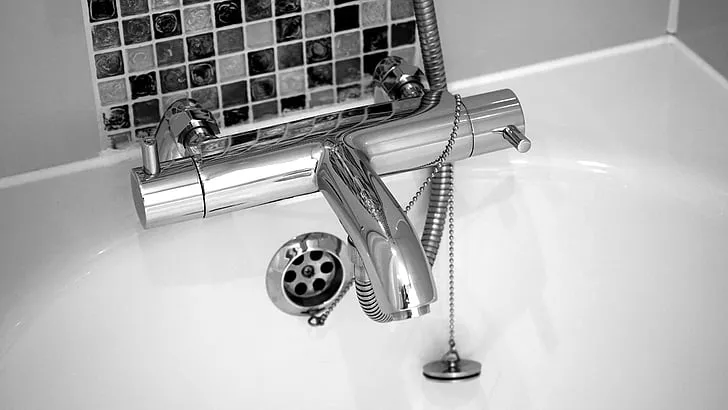
However, after their toddler showed slightly elevated blood lead levels during a routine check-up, they decided to go beyond the “standard” kitchen sink test. What they discovered was startling: while the rest of the home was clear, lead was found only in the bathroom hot tap.
This case highlights a critical reality for residents in 2026: water quality is not uniform throughout a home. In a city like Hoboken, where the infrastructure is a patchwork of eras, the source of contamination can be incredibly localized. Understanding how lead can hide in one specific faucet and why heat plays such a significant role is essential for every parent and homeowner in the Mile Square.
The Anatomy of a “Local” Failure
When we think of lead in water, we often picture the city’s main lines or the service line connecting the house to the street. If the problem were at the street level, lead would appear in every faucet in the house. But when lead is found in only one location, the problem is “internal” and “localized.”
In this family’s case, the kitchen plumbing had been entirely replaced with modern PEX piping. However, as is common in many Hoboken locations, the renovation hadn’t reached the secondary bathroom’s internal wall pipes. The bathroom sink was still fed by older copper pipes joined with lead-based solder.
Because lead is tasteless, odorless, and colorless, the family had no idea that the water they were using for their child’s nightly bath and teeth-brushing was leaching heavy metals from the very walls of their home.
Why the “Hot” Tap is the Culprit
The most significant finding in this family’s report was the disparity between the cold and hot water. The cold water in the bathroom tested at 2 parts per billion (ppb) well below the EPA action level of 15 ppb. The hot water, however, spiked to 28 ppb.
There are two scientific reasons why hot water is riskier:
- Increased Solubility: Hot water acts as a much more aggressive solvent than cold water. It “pulls” lead out of old solder and brass fixtures much faster.
- The Boiler Reservoir: In many Hoboken apartment buildings and brownstones, hot water is stored in a tank. If that tank has older components or if the water sits stagnant in “dead-end” pipes leading to a guest bathroom, the lead concentration increases significantly over time.
This is why we emphasize in our local-quality guides that you should never use hot tap water for drinking, cooking, or making baby formula.
The Brass Fixture Factor: A Hidden Source
Even in homes where the pipes have been replaced, the faucet itself can be the source of the problem. Many vintage-style or high-end brass faucets sold before the “Lead-Free” mandates of 2014 still contained up to 8% lead.
The family in this case had installed a “period-accurate” brass faucet in the bathroom to match the brownstone’s aesthetic. Over years of use, the hot water had begun to corrode the internal brass components of that specific fixture. This is a common discovery during our specialized services, where we perform “point-of-use” sampling to distinguish between pipe issues and fixture issues.
Infrastructure and the “Galvanic” Effect
Hoboken’s constant construction including the recent water main upgrades by the city can actually trigger these localized spikes. When the city replaces an iron main with a plastic one, or when a building replaces part of its plumbing, it can create a “galvanic” reaction.
This happens when two different types of metal (like new copper and old lead solder) touch. This creates a tiny electrical current that accelerates the corrosion of the lead. If the bathroom was the last room in the house with old plumbing, it effectively became the “lightning rod” for this chemical reaction.
Lessons for Hoboken Residents
The experience of this family serves as a blueprint for how to protect your own household. Relying on a single test from the kitchen sink is no longer enough in a city with infrastructure as complex as ours.
1. Test “Both Sides” of the Faucet Whenever you perform a water screening, ensure the lab takes a sample from both the hot and cold lines. As we have discussed on our blog, the hot water often reveals plumbing failures that the cold water hides.
2. Every Tap Matters Don’t assume that because the kitchen water is filtered, the bathroom is safe. Children often drink water while bathing or brush their teeth with warm water. These small, daily exposures can add up to significant blood lead levels over time.
3. Be Skeptical of “New” Renovations “Renovated” does not always mean “all pipes replaced.” Often, landlords or developers only replace what is visible. If you live in an older building, professional maintenance checks are the only way to verify the integrity of the pipes behind the tiles.
How to Take Action
If you are concerned about lead in your Hoboken home, follow these steps:
- Flush Your Taps: If a faucet hasn’t been used for several hours, run the cold water for at least two minutes before using it.
- Identify Your Pipes: Look at the pipes entering your water heater. If they are dull gray and easily scratched with a penny, they may be lead.
- Get a Comprehensive Screening: Avoid DIY kits, which are often inaccurate for low-level lead detection. Use a contact form to schedule a certified technician who can perform a multi-room analysis.
Conclusion: Precision is the Key to Safety
The story of the bathroom hot tap is a reminder that in urban environments, safety is found in the details. By being precise with where and how we test, we can identify and remediate risks that would otherwise go unnoticed for years.
For this Hoboken family, the solution was simple: they replaced the bathroom fixture and the short run of pipe leading to it. But they only found that solution because they stopped guessing and started testing every “side” of their home’s water system.