

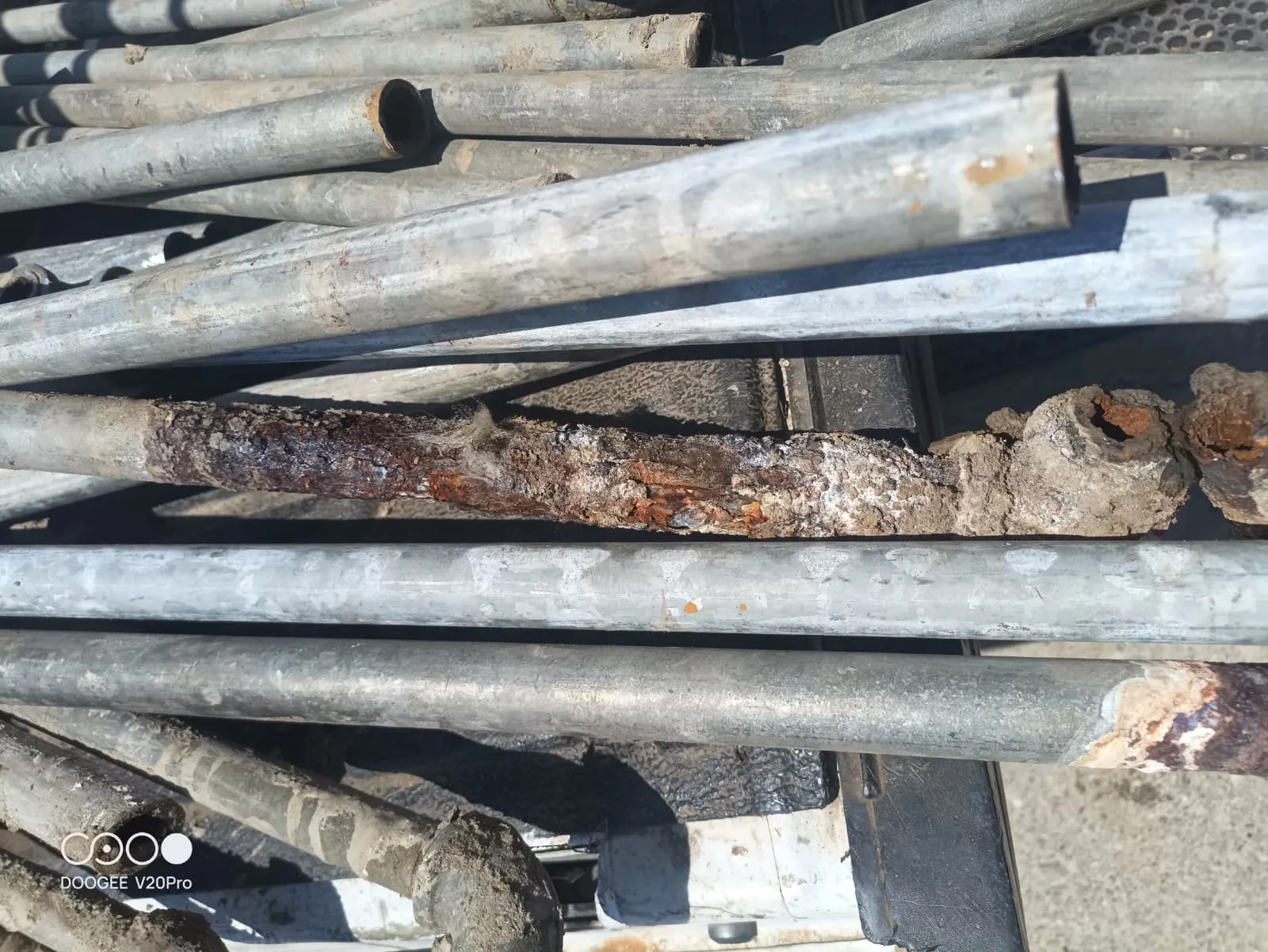
There is a common sense of security that comes with moving into a modern luxury high-rise. For many residents in the North End or along the Waterfront, choosing a building constructed after the year 2000 feels like a guarantee of safety. You expect floor-to-ceiling windows, smart home technology, and, most importantly, “clean” plumbing. After all, these buildings were constructed long after the 1986 ban on lead pipes.
However, as we move through 2026, data from local-quality assessments is revealing a surprising truth: newer construction does not equal zero risk. While the massive lead service lines of the past are absent, modern buildings are susceptible to a different set of challenges. From high-lead brass alloys to the chemical reactivity of new copper, even the sleekest “post-2000” buildings in Hoboken can—and do—leach trace metals into the tap water.
The 2014 Loophole: Why “Modern” Wasn’t Always “Lead-Free”
The biggest misconception among Hoboken residents is the definition of “lead-free.” Most people assume that any building put up in the last 25 years is completely devoid of lead. Unfortunately, the plumbing industry operated under a significant “loophole” until very recently.
Until the Reduction of Lead in Drinking Water Act was fully implemented in January 2014, the legal standard for “lead-free” plumbing allowed fixtures to contain up to 8% lead by weight. This means that if your luxury condo was built in 2005, 2010, or even 2012, your expensive designer faucets and internal valves could legally be made of brass that contains enough lead to leach into your water during stagnation.
It wasn’t until 2014 that the standard was lowered to a weighted average of 0.25%. For those living in the many “millennial-era” buildings across various Hoboken locations, your fixtures might look new, but chemically, they belong to an older regulatory era.
The “New Copper” Paradox
Another issue specific to newer buildings involves the copper piping itself. In older brownstones, decades of mineral-rich water have created a “scale” or a protective coating of calcium on the inside of the pipes. This scale acts as a barrier, preventing the water from touching the metal.
In buildings constructed in the mid-2000s, the copper pipes are often still “bright” and reactive. Without a well-developed mineral scale, the water is in direct contact with the copper. If the building’s maintenance team hasn’t perfectly balanced the water’s pH, or if the water sits stagnant in a unit while a tenant is traveling, the copper will leach into the water at much higher rates than it would in an “old” pipe.
This leads to the “metallic” taste many residents report in newer luxury rentals—a sign of elevated copper levels that often go unnoticed until a professional analysis is performed.
Galvanic Corrosion in Mixed-Material Plumbing
Modern construction often uses a mix of materials. You might have PEX (plastic) tubing inside your walls, but the “stub-outs” and valves connecting to your sinks are almost always metal.
When different metals—like a chrome-plated brass valve and a copper supply line—are connected, a process called galvanic corrosion can occur. A tiny electrical current flows between the metals, causing the less “noble” metal to corrode and release ions into the water. In a dense high-rise with thousands of these connections, trace metals like nickel, chrome, and lead can accumulate in the water supply of individual units.
The Stagnation Factor in High-Rises
Hoboken’s newer luxury buildings are often home to frequent travelers. Whether it’s a weekend at the shore or a week-long business trip, water often sits motionless in the unit’s pipes.
During this time, the “leaching” process is at its peak. In a post-2000 building, a “first-draw” sample taken after 8 hours of stagnation can show trace metal levels significantly higher than a sample taken after the water has been running. As we often discuss on our blog, this “stagnation effect” is the primary reason why even modern apartments need regular water verification.
What Are the “Trace Metals” Involved?
While lead is the most famous, it isn’t the only concern in modern Hoboken plumbing:
- Copper: Can cause gastrointestinal distress and, over time, liver or kidney issues.
- Nickel: Often used in the plating of modern faucets; it can leach into hot water and cause skin irritation or allergic reactions in sensitive individuals.
- Zinc: Found in the galvanization process and brass alloys; while an essential nutrient, high levels can impart a bitter taste and interfere with copper absorption.
- Cadmium: Sometimes found in the solder or impurities of lower-quality brass fittings.
According to the United States Geological Survey (USGS), even “trace” amounts of these elements can change the profile of your drinking water and indicate that your building’s plumbing is slowly deteriorating.
How Modern Residents Can Protect Themselves
If you live in a post-2000 building, don’t let the “new” feel of your home lead to complacency. Here are the steps to take:
1. Flush the Lines Even in a new building, if you haven’t used the water for several hours, run the tap for 30 to 60 seconds. This simple habit clears out the water that has been sitting in direct contact with your unit’s fixtures.
2. Audit Your Fixtures Check the manufacturing date of your faucets. If they were made before 2014, consider replacing them with modern, “lead-free” certified versions, especially in the kitchen.
3. Use Certified Services Don’t rely on the building’s general annual report. That report tests the water as it enters the building, not as it comes out of your 12th-floor kitchen sink. Independent services are the only way to see what is happening in your specific unit.
4. Check Your Hot Water As we have highlighted in previous reports, hot water leaches metals much faster than cold. Always draw cold water for cooking and drinking, even in the newest buildings.
Why Professional Sampling is Essential
Identifying trace metals in modern plumbing requires precision. Because the levels are often “trace”—meaning they may be near the legal limit but not far above it—standard DIY test kits are usually not sensitive enough to detect them.
At Olympian Water Testing of Hoboken NJ, we use advanced laboratory techniques to measure metals in parts per billion. This level of detail is necessary to determine if a slight metallic taste is a harmless mineral or a sign of an aging valve that needs replacement.
Conclusion: Modernity is No Substitute for Monitoring
Living in a post-2000 building in Hoboken offers many comforts, but the laws of chemistry apply to new pipes just as they do to old ones. Between the 2014 regulatory shift and the natural reactivity of copper, modern residents must remain vigilant.
By understanding that your home’s plumbing is an evolving system, you can take the small, proactive steps needed to ensure your water is as modern and safe as the building you live in.