

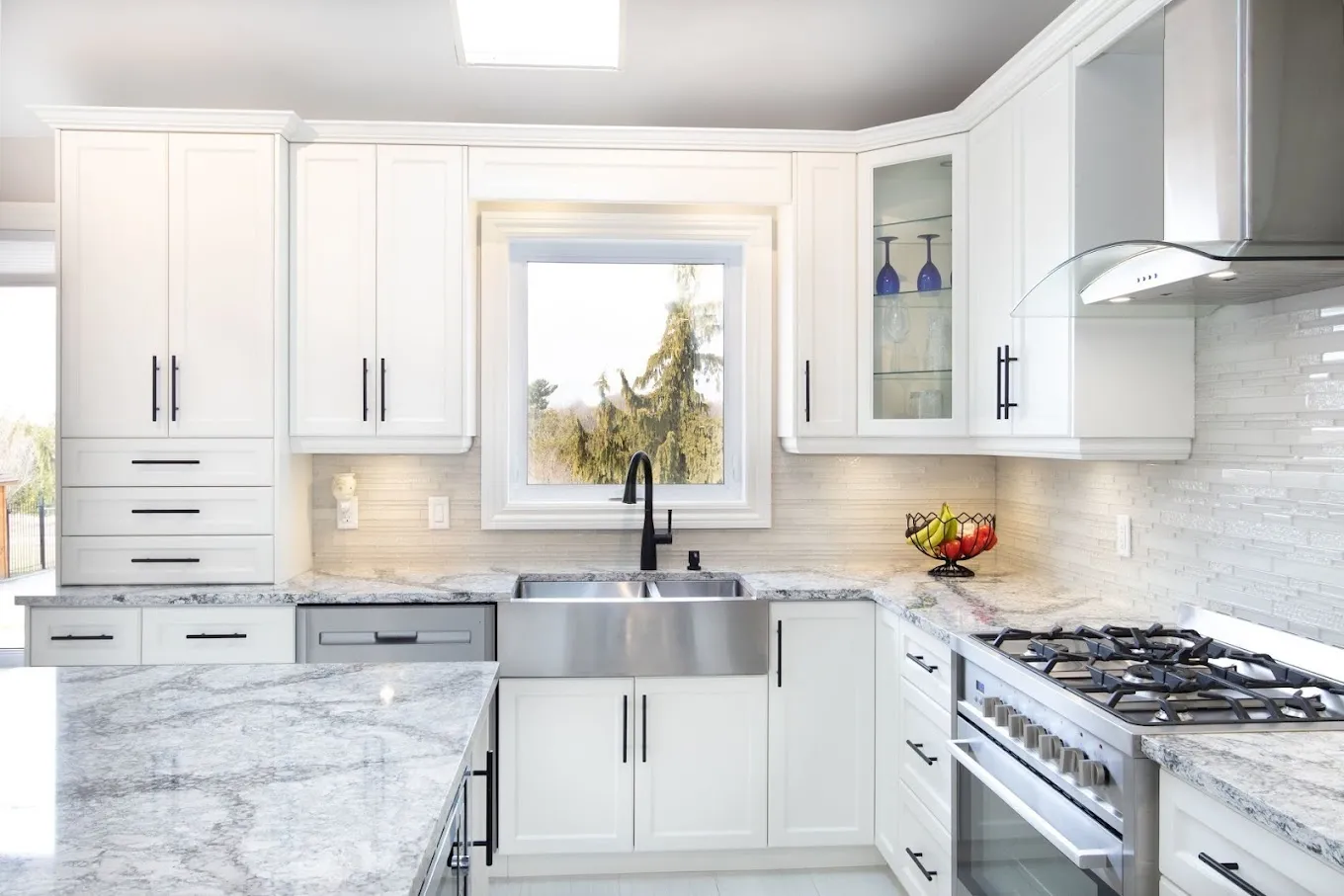
In the picturesque streets of Hoboken, where historic brownstones stand alongside sleek new developments, a kitchen renovation is almost a rite of passage for homeowners. Whether you are upgrading your 4th Street walk-up or modernizing a waterfront condo, the goal is always the same: a beautiful, functional space that increases property value.
However, as we move through 2026, a surprising trend is emerging in Hoboken’s residential locations. Homeowners who finish a “simple” kitchen update new cabinets, a designer backsplash, and a high-end brass faucet are finding that their water quality has actually plummeted. In many cases, these renovations are triggering chemical and physical failures that lead to high levels of lead, copper, and sediment.
At Olympian Water Testing of Hoboken NJ, we have seen firsthand how a weekend DIY project or a professional contractor’s “quick swap” can turn a safe kitchen into a health hazard.
The “Physical Shock” of Renovation
The most immediate cause of water failure during a renovation is physical disturbance. Hoboken’s plumbing infrastructure is a complex web of materials dating back decades. When a contractor cuts into a wall to move a pipe or replaces a shut-off valve, they aren’t just working on that specific spot; they are sending vibrations through the entire building’s network.
For an older building, these vibrations act like an earthquake. Over the years, pipes develop a “mineral scale” or a protective coating on the inside. This scale often traps tiny particles of lead, iron, and rust. The physical shock of a kitchen renovation can cause this scale to crack and flake off.
This leads to a sudden “slug” of contaminants hitting your new faucet. If you haven’t checked your new aerator, you might find it clogged with black or brown flecks material that was safely stuck to your pipes until the renovation shook it loose. This is a primary reason why local-quality testing is critical immediately following any home construction.
The Danger of Dissimilar Metals: Galvanic Corrosion
Perhaps the most technical and most common reason for post-renovation water failure is galvanic corrosion.
Imagine you’ve just installed a beautiful, “lead-free” copper supply line for your new island sink, but it’s connected to an old galvanized steel pipe original to the building. When two different metals come into contact in the presence of water, a tiny electrical current is created. This causes the “less noble” metal (in this case, the galvanized steel) to corrode at an incredibly high rate.
According to the American Society of Sanitary Engineering (ASSE), failing to use a “dielectric union” a special fitting that separates different metals can lead to pipe failure and heavy metal leaching within weeks. In many Hoboken renovations, these small but vital components are overlooked, leading to “pinhole” leaks behind your brand-new cabinets and a sudden spike in iron and zinc in your drinking water.
The Lead Solder Legacy: Heat and Aggression
Many Hoboken residents are surprised to learn that even if they use “lead-free” pipes, their water can still fail for lead. During a kitchen renovation, plumbers often use torches to “sweat” or solder copper joints. While lead solder was banned in 1986, it is still frequently found in the toolboxes of less-than-thorough contractors or used in older repairs that are disturbed during the new work.
Furthermore, new copper pipes are chemically “aggressive.” Without the mineral scale mentioned earlier, the raw copper is in direct contact with the water. For the first few months after a renovation, these new pipes can leach higher-than-normal levels of copper, especially if the water is hot. As we often discuss on our blog, this “new pipe” period is the most vulnerable time for your water quality.
How the Rebuild By Design Project Impacts Your Reno
It isn’t just the work inside your home that matters. In 2026, Hoboken is a hub of massive infrastructure activity, specifically the Rebuild By Design flood resistance project.
If you are renovating your kitchen while the city is relocating water mains or conducting “test pitting” outside your door, your home’s plumbing is under double the stress. The vibrations from heavy machinery on Washington Street combined with your internal plumbing changes create a “perfect storm” for sediment release. Many residents who have used our services during these periods have found that their “renovation failure” was actually exacerbated by the city-wide maintenance happening just feet from their foundation.
Why the “First Draw” Matters After Construction
If you’ve just finished a renovation, your “first draw” the water that sits in your new pipes overnight is the most important sample to test. This water has had the longest contact time with new solders, disturbed scale, and recently installed valves.
In one recent Hoboken case, a family moved back into their renovated kitchen and noticed the water had a slightly metallic “tang.” A lab analysis revealed lead levels at 28 parts per billion (ppb) nearly double the EPA Action Level of 15 ppb. The culprit was a single old brass valve that had been “jostled” during the renovation, causing it to shed lead particles into the new faucet.
Steps to Take After Your Hoboken Renovation
To ensure your new kitchen is as healthy as it is stylish, follow these steps:
- Flush the System: After the plumbing is complete, run your cold water for at least 15 to 20 minutes to clear out construction debris.
- Clean Your Aerators: Check the screens at the tip of your faucet once a week for the first month. Remove any grit or metal flakes.
- Use Cold Only: For the first few months, avoid using the hot water tap for drinking or cooking while the new pipes “settle.”
- Get a Post-Work Analysis: Don’t rely on your contractor’s word that the water is safe. A certified lab test is the only way to verify that no lead solder was used and no galvanic corrosion is occurring.
Conclusion: Protect Your Investment
A kitchen renovation is a major investment in your Hoboken home. Don’t let that investment be undermined by hidden water quality failures. The beauty of new quartz countertops and subway tile shouldn’t distract from the reality of what is coming out of the tap.
By testing your water after any plumbing work, you can catch issues like lead leaching or galvanic corrosion before they impact your family’s health or damage your new appliances.