

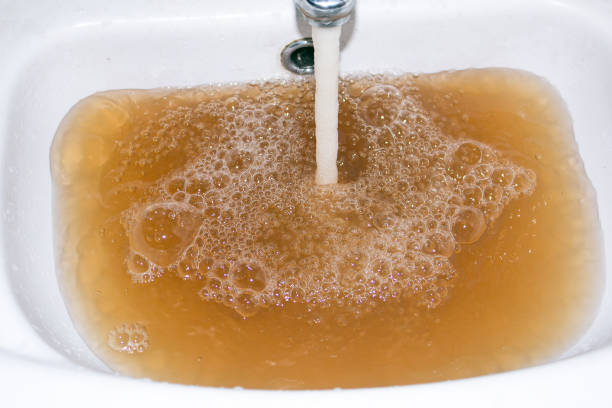
Brown water events occur when tap water appears rusty or murky. Recent incidents in Beaufort County, Hilton Head, and Bethalto have highlighted water quality concerns. Factors such as manganese buildup, aging pipes, and changes in water flow are often cited.
Utility providers claim the water is safe for consumption, yet many experience a metallic taste, stained laundry, and unpleasant odors. These events underscore the importance of system maintenance in safeguarding household health.
Key Takeaways
- Brown water events involve discolored or rusty tap water
- Public reports include metallic tastes and unpleasant smells
- Officials frequently cite aging infrastructure as a main cause
- Fixing old pipes can prevent further discoloration
- Residents should track water quality changes at home
- Professional advice can keep fixtures and appliances safe
Why Water Turns Brown: Common Reasons
Discolored tap water often emerges from shifts in flow or aging infrastructure. Residents who notice this change may observe a light yellow tint or deeper brown hues.
Rust and Corrosion in Aging Pipes
Long-standing systems sometimes contain compromised metal surfaces. When these surfaces degrade, bits of rust and debris color the water. Rusty pipes that have not been replaced for decades tend to release larger particles.
Flushing of Municipal Water Systems
Municipal flushing programs aim to clear built-up sediment in hydrants and mains. These efforts sometimes cause sediment to rush into household lines, leading to murky faucets for a short period.
Mineral Buildup Over Time
Minerals such as iron and manganese gradually accumulate in supply lines or storage tanks. Minor disturbances, such as a sudden change in pressure, can stir these deposits and alter water appearance.
Communities such as Nashville have experienced brown water events when older distribution lines meet growing demand. Awareness of these sources helps residents address sudden discoloration and plan ahead for system updates.
How Brown Water Events Impact Your Household
Brown water events can disrupt daily routines and raise concerns about cleanliness. Families often find the color unsettling, even when public agencies ensure the supply remains safe. Discoloration sometimes signals rust and sediment circulating through pipes, leaving behind blemishes on clothing and fixtures.
“Households facing brown water usually experience unwanted residue and odor,” stated a spokesperson from the Environmental Protection Agency (EPA).
Staining of Laundry and Fixtures
Residue can cling to fabrics during a wash cycle, producing permanent marks that require time-consuming cleaning. Porcelain sinks and tubs may develop spots indicating deeper plumbing issues if the water remains discolored for extended periods.
Possible Plumbing Damage
Recurring sludge can strain filters in appliances such as Whirlpool washers or GE dishwashers, leading to frequent repairs and higher costs. Constant exposure to gritty water can accelerate wear on seals and valves. Maintenance visits become more frequent, creating ongoing concern over plumbing issues that disrupt household activities.
Discolored Drinking Water and Health Considerations
Drinking water that appears brown can raise concerns about personal health. Many public utilities recommend flushing the tap when encountering unusual coloration.
Brown water often results from metals in aging pipes. Iron or manganese can upset digestion in some. Lead or copper may also appear in outdated infrastructure, posing risks. In places like Bethalto, Illinois, residents have reported skin irritation and stronger chlorine smells due to contaminated water.
Long-term exposure to discolored water can lead to health issues. These risks vary among individuals and require attention when symptoms persist. It’s advisable to seek professional testing if the problem continues.
Safe water should be clear, odorless, and refreshing. Being vigilant helps households identify hidden problems early, preventing more severe issues later.
Identifying the Source of Brown Water
The presence of brown water in a home can be attributed to several indicators. These signs help pinpoint the root cause. A guide from the complete guide to discolored tap water offers insights into common causes. It also explains how to distinguish between municipal problems and plumbing issues within the home.
Observing simple signs or conducting tests can reveal whether the issue lies with the pipes or a broader infrastructure problem.
Visual Cues to Look For
Signs like a metallic sheen or loose sediment around faucets indicate internal corrosion. Water that darkens after a few seconds of running may suggest aging components. Checking each faucet helps determine if the discoloration is widespread or confined to one area.
Gathering Water Samples
Collecting samples in clear containers at different times of day can show color changes or residue buildup. These samples are essential for lab testing. They help determine if the problem is within the home or outside.
Consulting a Professional Plumber
When DIY efforts fail, seeking professional help is essential. Licensed plumbers employ diagnostic tools to uncover hidden leaks or failing components. This step is the first towards restoring clear water and safeguarding the household’s water supply from further contamination.
When to be Concerned About Brown Water
Darkening water in sinks or toilets can be unsettling, often without warning. It might signal deeper issues that require immediate attention. Changes in water color usually indicate problems that go beyond simple maintenance.
Sudden Changes in Color
Rapid shifts from clear to brown water raise questions about sediment buildup or pipeline disturbances. These changes can be triggered by pressure fluctuations in public water systems or unexpected disruptions in supply lines. It’s wise to be cautious when extreme discoloration appears overnight.
Strong Metallic Odor or Taste
An unmistakable metallic flavor or pungent smell often signals higher concentrations of iron or other residues. These elements can come from aging pipes or recent system flushes in public water systems. Checking faucets and showers for persistent odors helps pinpoint trouble.
| Indicator | Possible Cause |
| Rapid color change | Pipe disruption |
| Metallic taste | Elevated mineral levels |
DIY Methods to Clear Brown Water
Homeowners seeking simple solutions for discolored water can start by flushing the lines. Running cold taps for a few minutes can help remove sediment that causes murky water. This process is repeated until the water appears cleaner.
Regular maintenance of faucets is also key. Aerators collect small particles like rust and minerals, so rinsing them can improve water clarity. In areas with manganese contamination, a basic sediment filter can catch mineral deposits before they spread through the plumbing.
- Flush cold water lines thoroughly to reduce unwanted discoloration
- Clean faucet aerators to remove rust and debris
- Install a sediment filter to address iron or mineral buildup
These DIY methods offer temporary relief and help identify if the issue is in the home or the external supply lines. They also give time to look into more effective solutions for ongoing water quality problems.
Role of Water Treatment in Preventing Discoloration
Homeowners often turn to specialized treatments to prevent brown tints in tap water. By setting up proactive systems, they can block debris, protect fixtures, and extend pipe life. This careful planning helps communities avoid unexpected discoloration, boosting confidence in their water use.
Filtration Options
Whole-home units, such as those from Culligan and Brita, effectively capture particles that cloud water. Models using activated carbon or reverse osmosis are known for their reliability, targeting impurities without affecting taste. Placing these systems at the main inlet ensures broad coverage.
Water Softeners
Softeners reduce harmful metals like calcium and magnesium, preventing mineral buildup. This reduces the risk of rusty residue in older plumbing. It not only combats scaling but also leads to cleaner laundry and softer showers.
Routine Maintenance Tips
Annual inspections are essential to maintain system performance. Regular filter changes or salt replenishment prevent clogs. Scheduling professional service checks offers peace of mind regarding ongoing water quality.
| Method | Key Benefit | Brand Example |
| Whole-Home Filtration | Reduces sediment and odors | Brita PRO |
| Water Softener | Minimizes mineral buildup | Culligan |
| Regular Maintenance | Extends system lifespan | Professional Checkups |
Working with Your Local Water Utility
Collaboration with local agencies is key in addressing water discoloration issues. Public officials often alert the community about upcoming challenges. These can include vital infrastructure updates to improve water flow and reduce rust buildup.
Getting involved in town halls or online forums allows residents to express their concerns. Regular communication can lead to targeted pipe replacements or additional filtration systems. This helps tackle ongoing discoloration issues. By staying informed through utility notifications, neighbors can anticipate scheduled flushing and system checks.
We encourage every household to monitor municipal alerts and share feedback, creating a collaborative path to reliable water quality.
- Review posted agendas for upcoming utility meetings
- Document color changes or sediment levels at home
- Request transparent reports on testing outcomes
| Action | Advantage |
| Attend local forums | Gain insight into planned projects |
| Contact utility representatives | Share issues and accelerate infrastructure updates |
Long-Term Solutions for Persistent Brown Water
Communities plagued by frequent discoloration often look for more than temporary fixes. They invest in thorough water analysis to uncover hidden issues within aging systems. Studies reveal that corroded materials are a major culprit, leading to a cycle of brown water problems.
In places like Bethalto, significant public projects have shown the way to restore trust in water supplies. Here, local governments, engineers, and residents come together to tackle deep-seated problems.
Pipe Replacement Considerations
Older homes and commercial buildings often struggle with corroded pipes, leading to brown water issues. New materials can significantly reduce sediment and rust. Homeowners must consider costs, durability, and project timelines when deciding on a full replacement.
Upgrading Infrastructure
When repeated tests reveal ongoing discoloration, larger distribution lines get the focus. Water analysis plays a critical role in identifying inefficient segments in public systems. Communities then invest in new piping, advanced filtration, and robust maintenance to address these issues.
| Solution | Benefit |
| Pipe Overhaul | Reduces corrosion and promotes clearer water |
| Infrastructure Enhancement | Lowers sediment buildup for consistent quality |
Common Myths About Brown Water Events
Many myths surround discolored water, with some misconceptions persisting. Some believe mild discoloration is harmless, yet important clues often remain hidden. Communities facing brown water issues need clear information, as it impacts their health and finances.
Myth of Safe-to-Drink Brown Water
One common belief is that slightly tinted water is safe. This overlooks the risks of staining, unusual tastes, and corrosion. It’s essential to test the water, as discoloration can indicate deeper issues that only experts can identify.
Myth of Chlorine as the Only Cause
Some attribute every water discoloration to chlorine. But, mineral buildup and old pipes are often the main culprits. High levels of iron or manganese can cause brown or yellow colors that won’t clear until the infrastructure is updated. Recognizing these factors helps families tackle the root causes of recurring brown water issues.
Environmental Factors Influencing Water Color
In areas with heavy rainfall, rivers and reservoirs collect more sediment. This can make the water at your tap appear murky. Seasonal temperature changes also impact mineral reactions, leading to noticeable color shifts. Older pipelines are more susceptible to these effects during strong storms.
Runoff from heavy rains carries debris into treatment facilities. Here, filtration systems try to remove these particles. High calcium levels in water contribute to limescale buildup, which can discolor fixtures. Keeping an eye on local weather and infrastructure maintenance helps communities anticipate these color changes.
Regular pipe inspections can alert you to issues before they cause water discoloration. Simple actions, like clearing gutters and monitoring water lines, can reduce the risk of discolored tap water.
| Environmental Factor | Possible Effect | Tip |
| Heavy Rain | Increased Sediment | Use home filtration |
| Temperature Swings | Mineral Reactions | Monitor water clarity |
| Runoff Debris | Clogged Filters | Regular pipe checks |
How to Protect Your Home During Brown Water Events
Many households seek ways to stay prepared when discolored tap water appears. A proactive stance guards appliances, ensures sanitary conditions, and helps families maintain peace of mind.
Monitoring Water Pressure
Consistent checks detect unusual spikes or dips that might point to underlying issues. A basic gauge, such as a Fluke model, can reveal rapid changes right at the faucet. Steady pressure usually indicates a stable system, though sudden shifts warn of a broader concern. It’s wise to schedule routine checkups if the water color changes often.
Using Backup Water Supplies
Extra reserves, like sealed jugs or a Brita dispenser, offer safe options for cooking and drinking. Storing a few days’ worth of water can ease uncertainty during abrupt discoloration episodes. Many homeowners find it helpful to keep water testing kits on hand to detect contaminants in both primary and backup sources.
| Method | Purpose | Tips |
| Monitor Pressure | Catch sudden fluctuations | Check readings weekly |
| Store Clean Water | Ensure safe drinking supply | Rotate stock regularly |
| Water Testing Kits | Assess quality instantly | Spot-check for metals or chemicals |
Moving Forward with Clear and Healthy Water
Communities thrive when they monitor tap color and pressure closely. Brown water incidents decrease when local water utilities tackle aging pipes. They also keep residents updated with test results.
Discolored drinking water calls for deeper action to safeguard homes and public health. Sometimes, it shows up unexpectedly. Yet, open communication ensures everyone stays informed. Homeowners can prevent pipe damage by scheduling regular checks and using filters. These steps help remove impurities and increase trust in every glass of water.
Collaboration between neighbors, municipal leaders, and industry experts is key to water safety. Knowing where to act and how to maintain systems builds a healthier environment. This awareness ensures a smooth flow of life, one clear sip at a time.
FAQ
Why do brown water events happen more often after hydrant flushing?
Hydrant flushing can dislodge rust and sediment in older pipes. This sends these particles into the distribution system. Places like Bethalto and Beaufort County see sudden discoloration when water flow changes. This is due to iron or manganese buildup.
Does letting cold water run for several minutes really help clear discoloration?
Yes, running cold water for a few minutes can clear discoloration. Water utilities recommend this for brown tint or metallic taste. It’s a quick way to check if the issue is temporary or ongoing.
Are there official guidelines on acceptable levels of iron or manganese in drinking water?
The Environmental Protection Agency (EPA) sets secondary standards for iron and manganese. These standards ensure water quality. If levels exceed these, water may appear discolored, taste metallic, or have a strong odor.
Will installing a carbon-based or resin-based filtration system prevent brown water?
Carbon-based and resin-based systems can capture particles causing discoloration. In places like Hilton Head or Nashville, homeowners see clearer water after installing these systems. While they may not fix corroded pipes, they can reduce brown water events.
How can I tell if discolored water is from municipal lines or my household plumbing?
Collecting water samples from different faucets can help identify the source. If only one faucet is discolored, it might be a local issue. Widespread discoloration or suspected corrosion requires contacting utilities and a plumber for further investigation.
Do I need to worry about health risks if the water looks brown but has no strong smell?
Even without a strong odor, rust, iron, or manganese can pose health risks. They may also hide issues like lead or copper leaching. Persistent brown water should be tested and assessed by professionals.
Can environmental factors like heavy rain increase brown water events?
Yes, heavy rain or flooding can stir up sediment in rivers and reservoirs. This sediment then enters the distribution system. Older infrastructure is more susceptible to discoloration from sudden flow changes or added sediment during storms.
Should I consider pipe replacement if brown water recurs frequently?
Chronic discoloration often indicates aging or corroded pipes. Replacing these can reduce sediment buildup. This helps maintain clear water quality over time, whether in homes or municipal systems.