

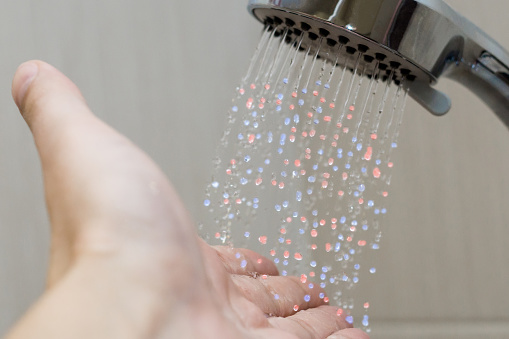
For many residents in the Mile Square City, the morning shower is a sacred ritual a few minutes of peace before navigating the PATH train or heading to a local coffee shop on Washington Street. However, in 2026, many Hoboken neighbors are noticing subtle, unsettling changes in their bathrooms: a persistent pink ring around the drain, a faint “earthy” smell when the hot water runs, or a strange, slippery film on the showerhead.
These aren’t just signs that you need to scrub harder. In the context of Hoboken’s aging infrastructure and high-density living, these are the classic calling cards of biofilm. While we often focus on what the city is doing at the water plant, the biological reality of what is happening inside your building’s pipes can significantly impact your local-quality of life.
What Exactly is Biofilm?
Biofilm is a sophisticated, slimy colony of microorganisms including bacteria, fungi, and algae that attaches itself to wet surfaces. Think of it as a “bacterial city.” Once a few pioneer bacteria latch onto the interior of a pipe, they secrete a sugary, glue-like substance (extracellular polymeric substances, or EPS) that protects the colony from outside threats including the chlorine used by the city to treat our water.
In the complex plumbing of Hoboken’s locations, biofilms are incredibly common. They cling to the inside of old galvanized steel lines, copper risers, and even modern plastic PEX tubing. Over time, these colonies grow, trapping minerals like iron and manganese, which can give the film a reddish or brown tint.
Why Hoboken Showers are Biofilm Hotspots
You might wonder why biofilm seems more prevalent in the shower than in the kitchen. The answer lies in the unique environment of the bathroom:
1. The Warm Water Factor Biofilm thrives in warmth. While the cold water in your kitchen is less hospitable, your shower water is often kept at a “perfect” incubation temperature. If your building’s boiler or your individual water heater is set too low or if the water sits stagnant in the pipes while you are at work it creates a tropical paradise for microbial growth.
2. Aerosolization This is the most critical health concern. When you shower, the showerhead breaks the water into tiny droplets (aerosols). If there is a heavy biofilm colony inside the showerhead or the “drop ear” pipe behind the wall, you aren’t just washing with contaminated water you are breathing it in. This is why our services often include specific swabs for shower fixtures in multi-family units.
3. Stagnation in Large Buildings Hoboken is filled with multi-unit dwellings. In these buildings, water can sit for long periods in “dead legs” (pipes that aren’t used often). During these periods of stagnation, the protective chlorine residual dissipates, allowing the biofilm to expand its territory unchallenged.
The Pink Slime and Beyond: Identifying the Signs
Most Hoboken residents encounter biofilm in the form of “pink slime” (often the bacteria Serratia marcescens). While this specific bacteria is usually an airborne nuisance that feeds on soap scum, it is a “bio-indicator.” If you see pink slime on your shower curtain or drain, it means the conditions in your bathroom are ripe for other, more invisible biofilms to take hold inside your plumbing.
Common signs of an internal pipe biofilm include:
- The “Musty” Shower: A smell of dirt or damp basement only when the shower first starts.
- Slime on the Showerhead: If you run your finger across the nozzles and feel a slippery, jelly-like coating.
- Reduced Pressure: Over years, heavy biofilm and associated mineral scale can actually narrow the diameter of your pipes.
- Black Specks: Occasionally, chunks of the biofilm “slough off” and appear as small black or brown flecks in your bathwater.
Legionella: The Serious Side of Biofilm
While most biofilms are just a nuisance, they can harbor dangerous guests. The most notable is Legionella, the bacteria responsible for Legionnaires’ disease. According to the Centers for Disease Control and Prevention (CDC), Legionella grows best in the “slime” of biofilms found in large, complex plumbing systems exactly like the ones found in Hoboken’s high-rises and converted factories.
Because Legionella is transmitted through inhalation, the shower is the primary point of exposure in a home. If the maintenance of a building’s hot water system is neglected, the biofilm provides the “armor” the bacteria needs to survive the city’s disinfection process.
The 2026 Infrastructure Connection
Why are we seeing more biofilm issues on our blog lately? In 2026, Hoboken is undergoing massive water infrastructure shifts. Construction vibrations can “disturb” old biofilms in city mains, sending fragments of the colony into residential service lines. Once these fragments enter your home’s pipes, they look for a quiet, warm place to settle and your shower’s “dead-end” plumbing is the perfect destination.
How to Fight Back Against the Slime
You don’t have to accept biofilm as a part of city living. There are several steps you can take to keep your shower water clean:
- High-Temperature Flush: Occasionally running your shower on the hottest setting for several minutes can help “heat-shock” some microbial growth, though this isn’t a permanent fix for deep-seated biofilms.
- Clean Your Showerhead: Once a month, unscrew your showerhead and soak it in a solution of white vinegar or a mild bleach solution. This breaks down the mineral scale that the biofilm uses as an anchor.
- Replace Old Hoses: If you have a handheld shower attachment, the flexible plastic hose is a major breeding ground for biofilm. Consider replacing these every 2–3 years.
- Professional Testing: If you have a persistent odor or a member of the household has a compromised immune system, a professional microbial analysis is essential. We can test for “Heterotrophic Plate Count” (HPC) to see exactly how much biological activity is happening in your lines.
Conclusion: Your Health is Worth the Verification
Biofilm is a natural part of any water system, but in the dense, historic environment of Hoboken, it can easily grow out of control. It’s important to remember that the water in your shower is just as important as the water in your kitchen. Whether it’s affecting your skin, your hair, or your respiratory health, the biological makeup of your “last mile” plumbing matters.
At Olympian Water Testing of Hoboken NJ, we help residents move beyond guesswork. By identifying the presence of biofilms and the bacteria they hide, you can take the necessary steps from filtration to plumbing upgrades to ensure your morning ritual is as clean as it feels.