

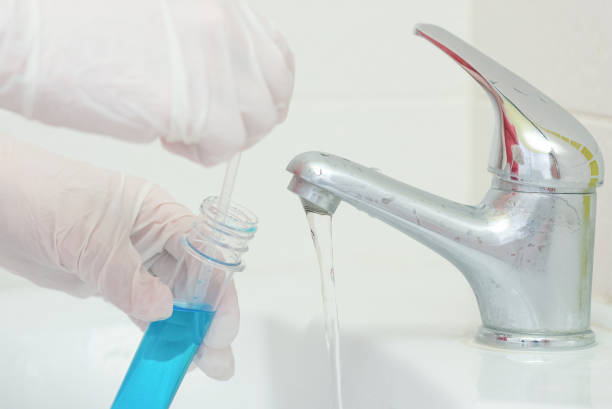
For most residents of the Mile Square City, the sharp, slightly medicinal scent of chlorine at the kitchen sink is a familiar comfort. It is the olfactory proof that our water has been treated and is safe from the waterborne pathogens that once plagued urban centers. However, as we move through 2026, a different kind of concern is rising among local-quality experts and homeowners alike: chlorine decay.
Recent data from various locations across Hoboken from the high-rise luxury units on the North End to the historic brownstones in the 1st Ward show that in some units, chlorine levels are dropping to near zero by the time the water reaches the tap. While we often worry about having too much chlorine, having it disappear too quickly is a major red flag for your home’s plumbing health and microbial safety.
The Invisible Shield: What is Chlorine Residual?
When water leaves the treatment plant, it is dosed with chlorine to ensure it stays sterile. But the job isn’t done at the plant. To keep you safe, a “residual” amount of chlorine must remain in the water as it travels through miles of underground mains and eventually through your building’s internal pipes.
This residual acts as an invisible shield. If a small amount of bacteria enters the system through a minor pipe leak or a drop in pressure, the chlorine residual is there to neutralize it. According to the Environmental Protection Agency (EPA), maintaining a measurable disinfectant residual is a primary requirement for public water systems. When that residual vanishes, your tap water becomes an unprotected environment where biofilms and bacteria can begin to flourish.
Why Chlorine “Decays” in Hoboken Plumbing
If the water entering Hoboken is properly treated, why is it failing at individual taps? The answer lies in the “Last Mile” of the water’s journey. Chlorine is a highly reactive element; it is essentially “used up” as it works. In many Hoboken buildings, the chlorine is being exhausted before it ever reaches your glass.
1. The Age of the Water (Stagnation) The longer water sits in a pipe, the more the chlorine naturally dissipates. In 2026, many Hoboken residents have shifted to hybrid work schedules or travel frequently. When water sits in your unit’s pipes for 48 or 72 hours, the chlorine levels drop significantly. If you live in a large multi-family building, water can sit in massive storage tanks or “dead-end” risers, losing its potency long before you turn on the faucet.
2. Organic Loading and “Pipe Gunk” Hoboken’s infrastructure is a mix of the old and the new. In older buildings with galvanized steel or unlined copper pipes, a layer of “biofilm” or mineral scale often lines the interior. Chlorine is “sacrificial” it will attack the organic matter and minerals on the pipe walls. If your building’s internal plumbing is in poor maintenance, it acts as a “chlorine sponge,” soaking up all the disinfectant and leaving the water unprotected.
3. Temperature and Seasonal Spikes As we have noted on our blog, chlorine decay accelerates in warmer temperatures. During the humid New Jersey summers, the water in Hoboken’s shallow-buried pipes and roof-top storage tanks warms up. This heat causes chlorine to evaporate and react faster, leading to “zero-residual” readings in July and August.
The Risks of “Zero-Residual” Water
When chlorine levels drop too fast, it isn’t just a matter of taste and odor. It creates a vacuum that nature is all too happy to fill.
- Bacterial Regrowth: Without chlorine, harmless environmental bacteria can multiply rapidly. More concerningly, pathogens like Legionella thrive in the warm, non-chlorinated stagnant water found in large building plumbing systems.
- Nitrification: In systems that use chloramines (a mixture of chlorine and ammonia), the loss of chlorine can lead to nitrification. This process can cause a spike in nitrites and can actually increase the rate of pipe corrosion, potentially leaching lead and copper into your water.
- Biofilm Accumulation: Once the chlorine is gone, a slimy layer of bacteria can form on the inside of your faucets and showerheads. This is often the cause of the “pink slime” or “musty smell” many residents complain about.
The 2026 Hoboken Context: Construction and Pressure
Hoboken is currently a hub of water infrastructure activity. From the water main replacement projects to the massive Rebuild By Design flood protection work, the city’s pipe network is constantly being pressurized, depressurized, and rerouted.
These fluctuations can stir up sediment in the city’s older mains. When this sediment enters a building’s service line, it creates a massive “demand” for chlorine. If your building doesn’t have a high enough turnover of water, the chlorine is overwhelmed by this influx of sediment, causing the levels at your tap to crash. This is why our services have seen an increase in “low-residual” failures in areas adjacent to active construction zones.
How to Detect Chlorine Decay in Your Home
While you need a professional laboratory test to get an exact number, there are signs that your chlorine levels are dropping too fast:
- The “Earthy” Odor: If your water smells like dirt, grass, or “must” rather than a faint pool smell, it is a sign that biological activity is occurring because the chlorine is gone.
- Slimy Faucet Aerators: Unscrew the screen at the end of your faucet. If you feel a slimy or slippery film on the inside, it is a sign of biofilm growth.
- Cloudiness that Doesn’t Clear: Hazy water that doesn’t clear up after a minute can indicate suspended organic matter that the chlorine failed to oxidize.
What Residents and Landlords Can Do
The goal is to keep “fresh” water moving through the system.
- For Homeowners: If you have been away for more than 6 hours, run your cold water for 2 minutes. This flushes the “dead” water out of your unit’s pipes and pulls in fresh, chlorinated water from the city main.
- For Building Managers: Regular flushing of “dead-end” lines and annual cleaning of storage tanks are essential. In some cases, a building may need a “secondary disinfection” system if the layout causes chronic low residuals.
- Professional Verification: The only way to know if your “shield” is intact is through a DPB (Disinfection Byproduct) and Chlorine Residual test. At Olympian Water Testing of Hoboken NJ, we provide on-site testing to determine if your water is properly protected at the moment it leaves the tap.
Conclusion: Don’t Let the Shield Drop
In a city as densely populated and historically rich as Hoboken, our water safety depends on a delicate chemical balance. Chlorine is our front-line defense against the microscopic world. When those levels drop too fast, it leaves our homes vulnerable.
By understanding the factors that cause chlorine decay from water age to pipe condition you can take the small, proactive steps needed to ensure your tap water remains as safe as the day it was treated.