

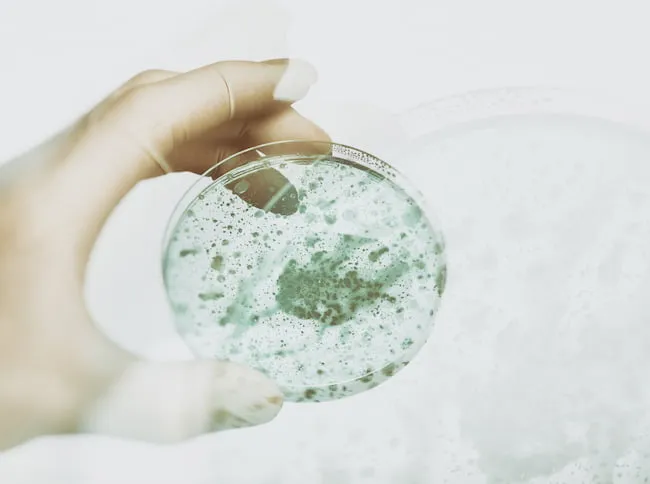
In the competitive real estate market of the Mile Square City, the relationship between property owners and residents is often defined by the quality of the living environment. As we move through 2026, a new priority has emerged in Hoboken’s historic brownstones and modern high-rises alike. Following a series of reports regarding “earthy” odors and “slimy” faucet aerators, proactive Hoboken landlords are increasingly investing in professional services to screen for coliform bacteria and other microbial contaminants.
What began as isolated tenant complaints has evolved into a standard for local-quality assurance. In a city where plumbing can range from state-of-the-art to century-old lead and galvanized steel, understanding the biological health of a building’s water is no longer optional it is a critical component of property management and tenant safety.
The Catalyst: Why Tenant Complaints Are Rising
The surge in bacteria testing across various Hoboken locations isn’t happening in a vacuum. Several factors unique to 2026 are driving these microbial concerns:
- Infrastructure Disturbance: Hoboken is currently undergoing massive water main replacements. When the city opens up the ground to replace 100-year-old pipes, it can cause pressure fluctuations and “backflow” events. These incidents can inadvertently introduce soil-borne bacteria or organic matter into a building’s service line.
- The “Stagnation” Effect: With many Hoboken residents working hybrid schedules or traveling frequently, water sits in the pipes longer than it used to. Stagnant water allows chlorine levels to drop, creating a “breeding ground” for biofilms.
- Visible Biofilms: Tenants are noticing pink or orange “slime” in their showers and sink drains. While often harmless Serratia marcescens, its presence signals that the water’s disinfectant residual is low enough to allow for more serious bacterial growth.
What Landlords Are Looking For: The “Big Three”
When a landlord contacts Olympian Water Testing of Hoboken NJ after a complaint, the laboratory analysis typically focuses on three primary microbial indicators:
- Total Coliform: This is the broad “umbrella” group of bacteria. While coliforms are generally not harmful themselves, their presence in tap water is a red flag that the “disinfectant shield” has failed and that the system is vulnerable to outside contamination.
- E. coli (Escherichia coli): The presence of E. coli is a serious failure, indicating recent fecal contamination. While rare in city-treated water, it can occur in buildings with compromised roof tanks or cross-connections with sewage lines.
- Legionella: Perhaps the most significant concern for large multi-family units, Legionella thrives in warm, stagnant water systems. According to the Centers for Disease Control and Prevention (CDC), this bacteria can cause a severe type of pneumonia (Legionnaires’ disease) if inhaled through mist from showers or cooling towers.
The Roof Tank Factor in Older High-Rises
Many of the taller buildings along the Hoboken waterfront and the North End rely on roof tanks to maintain water pressure. These tanks are vital but represent a significant vulnerability.
If a roof tank is not properly sealed, birds or insects can enter, introducing organic matter. If the tank isn’t cleaned annually as part of building maintenance, sediment settles at the bottom, creating a “nutrient buffet” for bacteria. Landlords who ignore these tanks often find that while the water at the street is perfect, the water at the 10th-floor tap fails every bacterial metric.
The Legal and Ethical Shift in 2026
In 2026, the “Standard of Care” for Hoboken landlords is shifting. With the rise of social media and neighborhood forums, a single tenant complaint about “sick-smelling water” can quickly escalate.
Landlords are finding that having a “Certified Clean” water report from a local laboratory is a powerful tool. It serves as:
- Liability Protection: Proof that the owner has taken proactive steps to ensure the Safe Drinking Water Act standards are met within the building.
- Tenant Retention: Providing peace of mind to residents who are increasingly health-conscious.
- Problem Identification: Often, the bacteria isn’t coming from the pipes, but from a tenant’s own neglected Point-of-Use (POU) filter that hasn’t been changed in years. Testing helps identify exactly where the failure is occurring.
How Professional Testing Differs from DIY Kits
Many tenants try to use “hardware store” test strips to prove there is bacteria in their water. However, as we frequently explain on our blog, these strips are notoriously inaccurate. They cannot distinguish between harmless environmental bacteria and dangerous pathogens.
Professional laboratory testing uses Presence/Absence (P/A) or Most Probable Number (MPN) methods. We use sterile collection techniques that ensure the sample isn’t contaminated by the person taking it a common issue with DIY kits. For a Hoboken landlord, only a certified lab result holds weight in a legal or regulatory dispute.
The Solution: Beyond the Test
When a test comes back positive for bacteria, Hoboken landlords are moving quickly to implement solutions:
- Shock Chlorination: Flushing the building’s entire plumbing system with a high concentration of chlorine to “scrub” out biofilms.
- Point-of-Entry (POE) UV Systems: Installing ultraviolet light systems that neutralize 99.9% of bacteria as water enters the building.
- Strict Flushing Protocols: Implementing mandatory flushing of vacant units and “dead-end” pipes to ensure water age remains low.
Conclusion: A New Standard for Hoboken Living
The trend of landlords proactively testing for bacteria is a positive sign for the future of Hoboken. It represents a shift from “reactive” management fixing things only when they break to “proactive” health monitoring. In an urban environment where we live in close proximity and share a common water source, this level of vigilance protects everyone.
Whether you are a tenant concerned about a strange odor or a landlord looking to verify the safety of your building, data is the only path to certainty.