

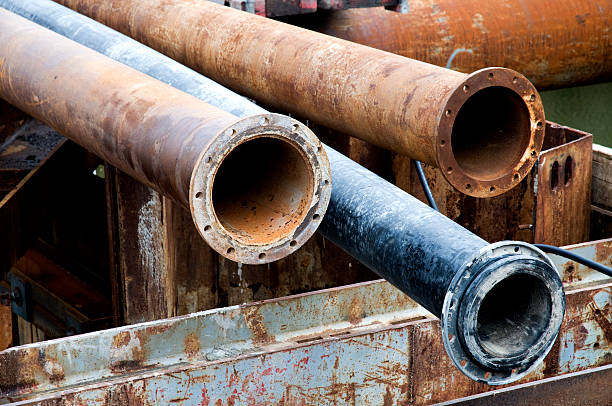
For many living in the Mile Square City, the aesthetic of a classic Hoboken apartment is a major draw. Exposed brick, original hardwood floors, and high ceilings offer a sense of history that modern “cookie-cutter” developments often lack. However, beneath that historic charm lies a complex and aging infrastructure that can cause daily headaches for tenants and owners alike. One of the most persistent issues in Hoboken’s older residential locations is the presence of galvanized steel plumbing a material that, while popular in the mid-20th century, is now a leading cause of rusty water and health concerns.
In 2026, as the city continues its massive water infrastructure overhaul, many residents are discovering that even if the city replaces the water mains in the street, the galvanized pipes inside their buildings are still causing significant water quality failures.
The Science of the Rust: What is Galvanized Steel?
Galvanized pipes are steel pipes that have been dipped in a protective coating of zinc to prevent corrosion and rust. When they were first installed in Hoboken’s apartment buildings primarily between the 1930s and the 1960s they were considered a durable alternative to lead.
The problem is that the zinc coating eventually wears away. Once the bare steel is exposed to oxygen and water, it begins to oxidize. This oxidation creates a layer of iron oxide common rust on the inside of the pipe. Over decades, this rust builds up into “tubercules” or internal mounds that restrict water flow and eventually flake off into the water stream.
As we detailed in our report on Hoboken’s Water Quality Challenges, these pipes are essentially a ticking time bomb for water quality.
The Red Water Reality: Why It Happens in Hoboken
Residents often report that their water looks clear until they turn on the hot tap, or that it appears “tea-colored” first thing in the morning. This is the classic symptom of galvanized pipe failure.
- Stagnation Spikes: When water sits in a galvanized pipe overnight, it has more time to react with the rust. The “first-draw” of water in the morning often carries the highest concentration of iron particles.
- The Hot Water Catalyst: Heat accelerates chemical reactions. Hot water is more corrosive and tends to dislodge rust from the interior of the pipes faster than cold water. This is why a services screening of both the hot and cold lines often reveals a much higher iron count on the “hot side.”
- Pressure Fluctuations: When the city performs maintenance or when there is a nearby water main break, the resulting pressure surges can physically “scour” the inside of galvanized pipes, leading to a sudden surge of brown, sediment-heavy water.
The Hidden Danger: Lead Trapped in the Rust
While rust (iron) is primarily considered an aesthetic issue staining laundry, clogging showerheads, and giving water a metallic taste the real danger of galvanized pipes is far more sinister.
Galvanized pipes are notorious for acting as a “sponge” for lead. If your building ever had a lead service line (which many in Hoboken did), tiny particles of lead would flake off and become trapped in the porous, rusty interior of the galvanized pipes. Even if the city has since replaced the lead line in the street, the galvanized pipes inside the building continue to release those trapped lead particles into your drinking water.
According to the Environmental Protection Agency (EPA), galvanized pipes that are or were downstream of lead pipes can be a significant source of lead exposure, even decades after the original source is gone. This is a critical factor in the local-quality of water in our older apartment blocks.
Impact on Modern Appliances and Fixtures
It isn’t just your health that is at risk; rust from galvanized pipes is a “silent killer” for modern home appliances.
- Water Heaters: Rust settles at the bottom of the tank, creating a layer of sludge that reduces efficiency and eventually causes the tank to leak.
- Faucets and Aerators: Those sleek, designer faucets popular in Hoboken renovations have tiny screens (aerators) that quickly become clogged with rust flakes, leading to poor water pressure.
- Dishwashers and Laundry: Iron-rich water can leave permanent orange or brown stains on white linens and can damage the internal pumps of high-efficiency washing machines.
Why Landlords and Boards Hesitate to Act
Replacing the plumbing in a multi-unit Hoboken building is a massive undertaking. It often involves “opening up the walls” from the basement to the roof. Many landlords and co-op boards attempt to manage the problem by installing building-wide sediment filters.
While a filter might catch the larger “flakes” of rust, it does not solve the underlying chemical leaching, especially the release of lead particles that are dissolved or microscopic. Independent testing is the only way for a tenant or owner to prove that the building’s internal plumbing is degrading the water quality. Check our blog for recent stories on how Hoboken residents have used data to advocate for building-wide repiping.
Steps for Residents Dealing with Rusty Water
If you live in a Hoboken apartment and suspect your building has galvanized pipes, you don’t have to just “live with it.”
- The “Flush” Routine: Run your cold water for 2-3 minutes if it hasn’t been used for several hours. This flushes out the water that has been sitting in direct contact with the rusty pipes.
- Inspect the “Stub-Outs”: Look under your sink. If the pipe coming out of the wall is a dull, silver-gray color and a magnet sticks to it, you have galvanized steel.
- Request a Test: Use our contact page to schedule a professional analysis. A certified report showing elevated iron and lead is often the only leverage a tenant has to demand a permanent fix.
Conclusion: Modern Solutions for Historic Homes
Hoboken is a city that prides itself on its resilience and its history. But part of maintaining that history is knowing when it’s time to upgrade. Galvanized pipes served their purpose in the 1940s, but in 2026, they are a liability to both property value and public health.
By identifying the presence of these aging pipes and verifying the impact they have on your tap water, you can take control of your home’s environment. You shouldn’t have to choose between a historic apartment and clean, clear water.