

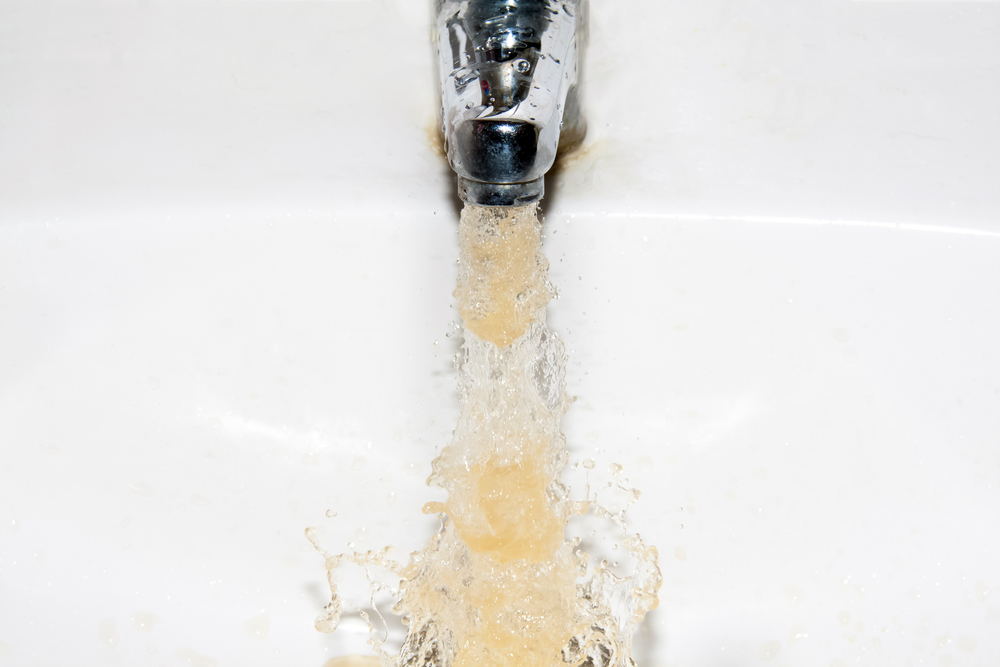
In the shadow of the Manhattan skyline, Hoboken residents are increasingly well-versed in the dangers of lead. Between city-wide pipe replacements and updated state disclosures, lead has rightfully taken center stage in the conversation about public health. However, there is another heavy metal lurking in the plumbing of our brownstones and high-rises that is frequently overlooked: Copper.
While copper is an essential nutrient for the human body in trace amounts, elevated levels in drinking water can lead to significant health issues and indicate a deteriorating plumbing system. In 2026, as Hoboken manages its aging infrastructure alongside a surge in modern renovations, copper “spikes” are becoming a common, yet silent, problem. Because copper issues are often localized to a specific building or unit, they rarely make the front-page news, but they are a critical factor in the local-quality of our city’s water.
The Blue-Green Warning: Why Copper is Rising in Hoboken
Unlike lead, which is famously tasteless and odorless, copper often leaves a calling card. Many residents in Hoboken’s historic locations from the cobblestone streets of the South End to the renovated walk-ups near Stevens Institute may notice a faint blue or green stain on their porcelain tubs, sinks, or tile grout.
This staining is the physical manifestation of “pitting” or “thinning” pipes. Most Hoboken homes built or renovated between the 1950s and the early 2000s rely on copper piping. While copper is generally durable, it is susceptible to the chemistry of the water flowing through it. If the water is slightly acidic (low pH) or if there is a high concentration of dissolved oxygen, the water begins to “eat” the interior of the pipes, carrying dissolved copper directly to your tap.
The Health Implications: More Than Just a Metallic Taste
Because we use copper in multivitamins and cookware, there is a common misconception that it is harmless. However, the Environmental Protection Agency (EPA) sets the “Action Level” for copper at 1.3 mg/L (or 1,300 parts per billion).
When copper levels exceed this threshold, the health effects can be immediate and distressing:
- Gastrointestinal Distress: Short-term exposure to high copper levels can cause nausea, vomiting, stomach cramps, and diarrhea.
- Long-Term Risks: Chronic exposure to elevated copper can lead to liver damage and kidney disease.
- Infant Safety: Just like lead, infants and young children are more sensitive to copper, which can affect their developing systems more rapidly than adults.
If your morning water has a bitter, metallic “tang,” your body is likely reacting to a concentration that exceeds what is considered healthy.
The “New Pipe” Paradox
One of the most surprising discoveries for Hoboken residents is that copper levels can actually be higher in newer buildings or recently renovated units.
When new copper pipes are installed, they haven’t yet developed a protective “scale” (a thin layer of minerals) on the inside. For the first few years of a pipe’s life, the metal is “raw” and highly reactive. If a building hasn’t implemented a proper maintenance plan to stabilize water chemistry, the leaching process is accelerated.
At Olympian Water Testing of Hoboken NJ, we frequently see “spikes” in copper during the initial services provided to newly opened luxury rentals. This is often the result of water sitting stagnant in brand-new plumbing during the final stages of construction.
Stagnation and the Hot Water Factor
Copper levels are rarely consistent throughout the day. They are almost always highest in the “First Draw” the first water that comes out of the faucet after sitting for 6 to 8 hours.
Furthermore, as we have detailed on our blog, heat acts as a catalyst for leaching. Hot water is much more effective at dissolving copper than cold water. If you are using the hot water tap to fill a pot for pasta, you are likely consuming a significantly higher concentration of copper than if you had used the cold tap and heated it on the stove.
Infrastructure Stress: Construction and Vibration
Hoboken is a city of constant motion. Between the “Rebuild by Design” flood resistance projects and the ongoing water main replacements, the ground is frequently vibrating. These vibrations can cause physical stress on older copper pipes in building basements.
When an old pipe is vibrated or when the city shifts from one water source to another, it can disturb the internal mineral scale. This releases “slugs” of copper and sediment into the building’s risers. For residents, this might look like a temporary cloudiness in the water or a sudden change in taste that goes unnoticed unless a professional analysis is performed.
How to Identify and Mitigate Copper Issues
If you suspect your Hoboken home has elevated copper levels, there are several practical steps you can take:
- Look for the Stains: Check the base of your faucets and the overflow drains in your bathtub for blue or green residue.
- Flush the Lines: If the water hasn’t been used for several hours, run the cold water for 30 to 60 seconds before drinking. This flushes out the water that has been sitting in direct contact with the copper pipes.
- Use Cold Water Only: Never use the hot water tap for drinking or cooking.
- Test Both Sides: Because copper leaching is often temperature-dependent, it is vital to test both the hot and cold lines to see where the failure is occurring.
The Importance of Certified Laboratory Testing
Because copper is a secondary contaminant that can also have primary health effects, DIY test strips are rarely accurate enough to provide the data you need. They may tell you copper is “present,” but they won’t tell you if you are over the 1.3 mg/L action level.
Our team at Olympian Water Testing of Hoboken NJ uses high-precision atomic absorption or ICP-MS technology to measure copper down to the microgram. This allows us to tell you exactly how much metal is in your water and whether it’s coming from the city’s service line or your own unit’s kitchen faucet.
Conclusion: Bringing Copper Into the Light
In our efforts to modernize Hoboken and ensure its safety, we cannot afford to have “tunnel vision” regarding lead. Copper is an integral part of our plumbing infrastructure, and its presence in our water is a direct reflection of our home’s health.
By paying attention to the subtle signs the metallic taste, the blue stains, and the age of our pipes we can take proactive steps to protect our families. Knowledge is the ultimate filter, and a certified water test is the only way to ensure that what goes unnoticed by the naked eye doesn’t go unaddressed in your health.